The Importance of Regular Furnace Inspections and Maintenance
Published on February 1, 2025
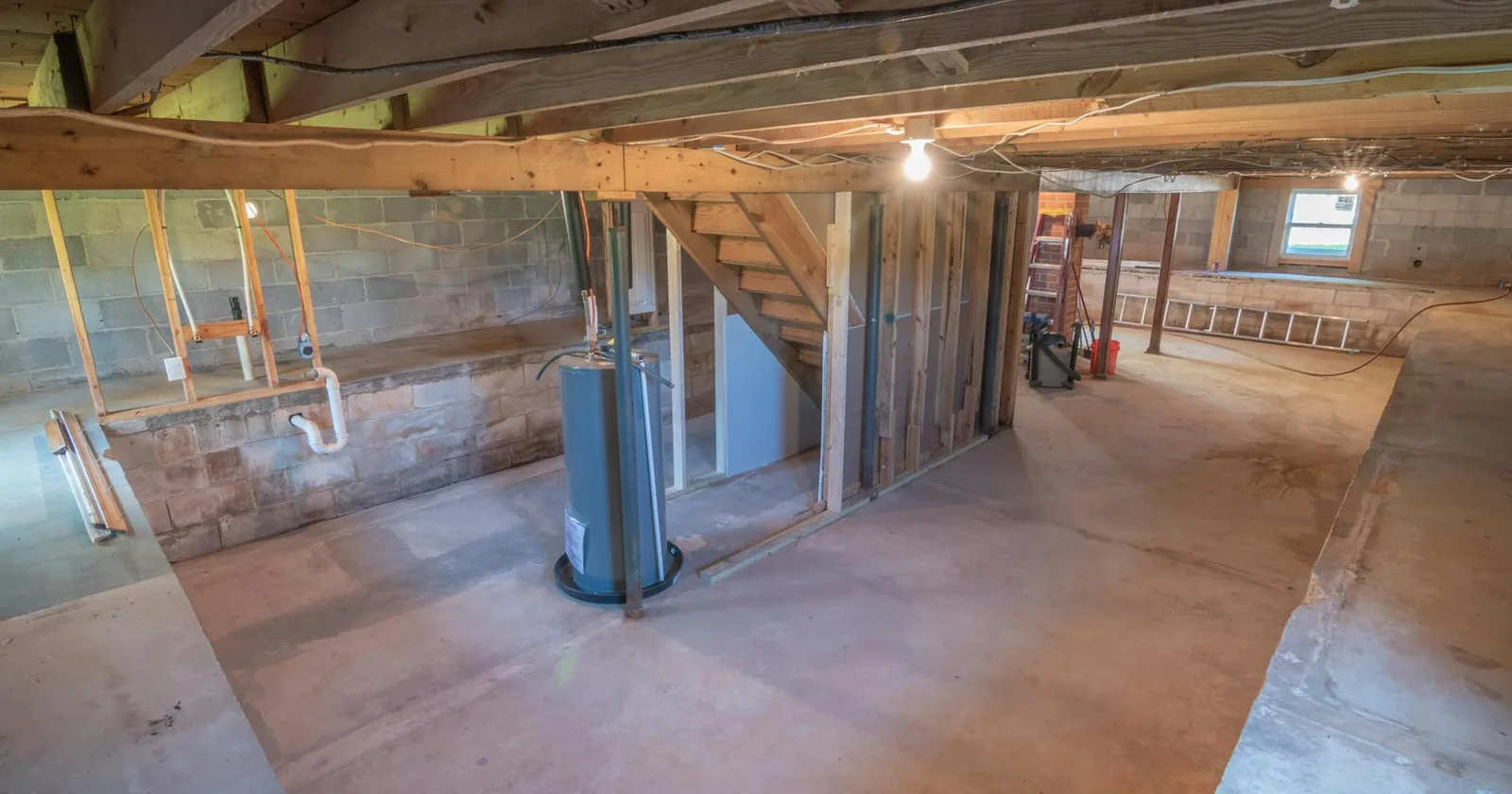
Your furnace is one of the hardest-working appliances in your home, and for much of the year, it operates quietly in the background without a second thought. But like any complex mechanical system, a furnace requires regular professional attention to stay safe, efficient, and reliable. Skipping annual inspections is a gamble that can lead to higher energy bills, unexpected breakdowns on the coldest nights of the year, and in the worst cases, serious safety hazards including carbon monoxide exposure.
Understanding what goes into a furnace inspection, why it matters, and how often it should be done can help homeowners protect both their investment and their family.
Why Annual Inspections Are Essential
The consensus among HVAC professionals is that furnaces should be inspected at least once a year, ideally in the fall before the heating season begins. This timing gives technicians the opportunity to identify and address any problems while the weather is still mild, well before you depend on the system to keep your home warm.
The reasons for annual inspections fall into three main categories: safety, efficiency, and longevity.
Safety is the most critical. Gas and oil furnaces produce combustion byproducts, including carbon monoxide, a colorless and odorless gas that can cause serious illness or death if it leaks into the living space. One of the most important checks during a furnace inspection is the heat exchanger, which separates combustion gases from the air circulating through your home. Cracks or corrosion in the heat exchanger can allow carbon monoxide to escape undetected. Annual inspections catch these issues before they become dangerous. Technicians also check gas lines for leaks, inspect electrical connections for damage, and verify that all safety controls are functioning properly.
Efficiency is the second major benefit. Over time, dust and debris accumulate on burners, blower motors, and other internal components, forcing the furnace to work harder to produce the same amount of heat. A dirty or clogged air filter alone can restrict airflow significantly, increasing energy consumption and reducing comfort. During a professional tune-up, technicians clean these components, replace the air filter, lubricate moving parts, and calibrate the thermostat, all of which help the furnace operate at peak efficiency. A well-maintained furnace uses less fuel and costs less to run month after month.
Longevity is the third key advantage. Modern furnaces are designed to last 15 to 20 years with proper maintenance. Without it, that lifespan can shrink to 10 years or less. Routine inspections catch minor wear and tear (a fraying belt, a weakening capacitor, a buildup of soot) before those small problems escalate into major, costly repairs or a complete system failure. Addressing issues early extends the life of the furnace and delays the significant expense of a full replacement.
What Happens During a Professional Furnace Inspection
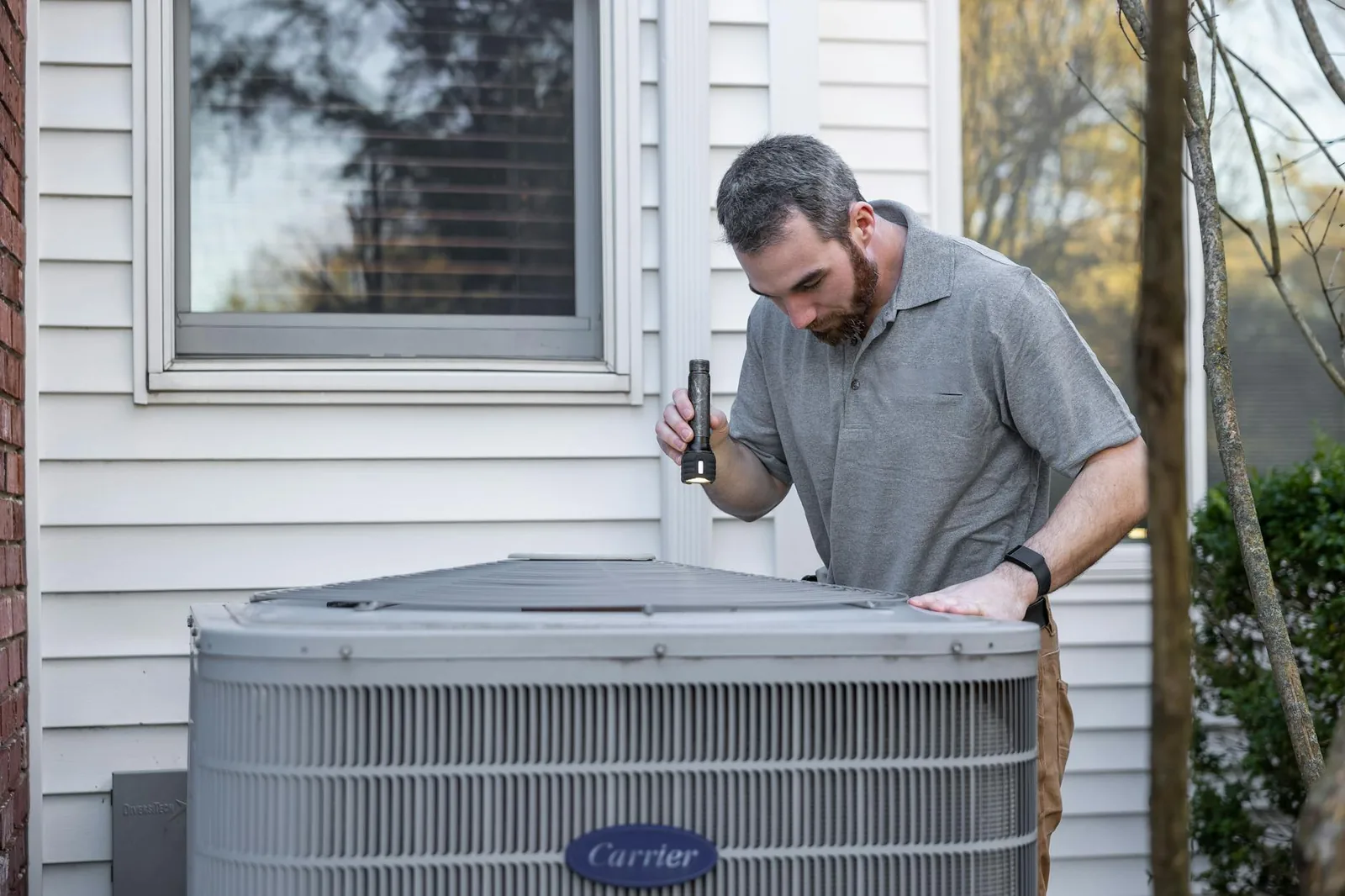
A thorough furnace inspection typically takes between 45 minutes and two hours, depending on the age and condition of the system. While exact checklists vary by company, most professional tune-ups cover the following areas.
The technician begins with the air filter, inspecting and replacing it if needed. A clean filter ensures proper airflow and prevents dust from accumulating on internal components. Next, the thermostat is tested to confirm it reads temperatures accurately and communicates correctly with the furnace.
The combustion chamber receives careful attention. The burner, crossover, and ignitor are cleaned and inspected to ensure safe, efficient fuel combustion. For older furnaces, the pilot light system is evaluated and adjusted. The heat exchanger is examined for cracks, holes, or signs of corrosion, a critical safety step, since a compromised heat exchanger is one of the most common sources of carbon monoxide leaks in residential heating systems.
The blower motor and blower assembly are inspected and cleaned. These components are responsible for pushing heated air through the ductwork and into your living spaces. A dirty or malfunctioning blower reduces airflow and puts extra strain on the entire system. The technician also checks electrical connections, looking for burned wires, loose terminals, or other issues that could cause malfunctions or present fire hazards.
Finally, the flue pipe and ductwork are inspected to ensure proper ventilation, and the gas supply line is checked for leaks. The technician may perform a combustion analysis or an amp-draw test to verify that the system is operating within manufacturer specifications.
Warning Signs That Your Furnace Needs Attention
While annual inspections are the best form of preventive care, certain signs between inspections should prompt an immediate call to an HVAC professional.
Unusual noises such as banging, rattling, squealing, or persistent clicking can indicate loose components, a failing blower motor, or ignition problems. A sudden spike in energy bills without a corresponding increase in usage often points to a furnace that is working harder than it should due to a dirty filter, failing parts, or other maintenance issues.
Uneven heating throughout the home, where some rooms are warm and others remain cold, may signal ductwork problems or a blower that is not distributing air properly. Frequent cycling, where the furnace turns on and off repeatedly in short intervals, can indicate a malfunctioning thermostat, a clogged filter, or an oversized system.
Strange odors are another red flag. A rotten-egg smell can indicate a gas leak, which requires immediate action: leave the house and call your gas company. A burning smell at the beginning of the heating season may be dust burning off and is usually harmless, but a persistent burning odor could indicate a motor problem or electrical wiring issue that needs professional evaluation.
What Homeowners Can Do Between Inspections
Professional maintenance is essential, but homeowners can take several simple steps between annual visits to support their furnace’s performance. Replacing or cleaning the air filter every one to three months is the single most impactful DIY maintenance task. Keeping supply and return vents clear of furniture, rugs, and other obstructions ensures proper airflow throughout the home.
Testing smoke detectors and carbon monoxide detectors monthly is a critical safety practice that complements professional furnace inspections. Homeowners should also keep the area around the furnace clear of stored items, cleaning supplies, and flammable materials, and listen for any unusual sounds that develop between service visits.
The Cost of Prevention vs. the Cost of Neglect
A standard furnace inspection typically costs between $75 and $200, depending on location and the scope of service. Many HVAC companies offer annual maintenance plans (usually in the range of $150 to $300 per year) that include inspections for both the heating and cooling systems, along with perks like priority scheduling and discounts on repairs.
Compare that to the cost of an emergency furnace repair, which can easily run several hundred to several thousand dollars, or a full furnace replacement at $1,000 to $4,000 or more. Beyond the financial calculus, many furnace manufacturers require documented annual maintenance to keep the warranty valid. Skipping inspections could void your warranty and leave you responsible for the full cost of a repair that would otherwise be covered.
The Bottom Line
Regular furnace inspections and maintenance are one of the smartest investments a homeowner can make. They protect your family from carbon monoxide hazards, keep energy bills in check, prevent expensive breakdowns, and extend the life of one of the most important systems in your home. Schedule your annual inspection in the fall, stay on top of filter changes, and pay attention to warning signs between visits. A little preventive care today can save you from a major headache, and a major expense, tomorrow.
Further reading (sources)
- Heat Exchanger Experts on why annual furnace inspections are essential
- Village Heating for how often a furnace inspection is needed
- Reliance Home Comfort on what makes a furnace inspection important
- Bryant with inspection costs and what to expect
- Angi on how often to service a furnace
- Martin Jetco for the importance of regular furnace maintenance
- Fire & Ice Heating & Air Conditioning on what’s included in furnace maintenance
- Eck Electric with an annual furnace maintenance guide
- Carrier on annual furnace service and inspection
- Mountain Mechanical for heating system inspection practices
Feature photo by Curtis Adams on Pexels.