The Homeowner's Complete Guide to Indoor Air Quality
Published on May 11, 2026
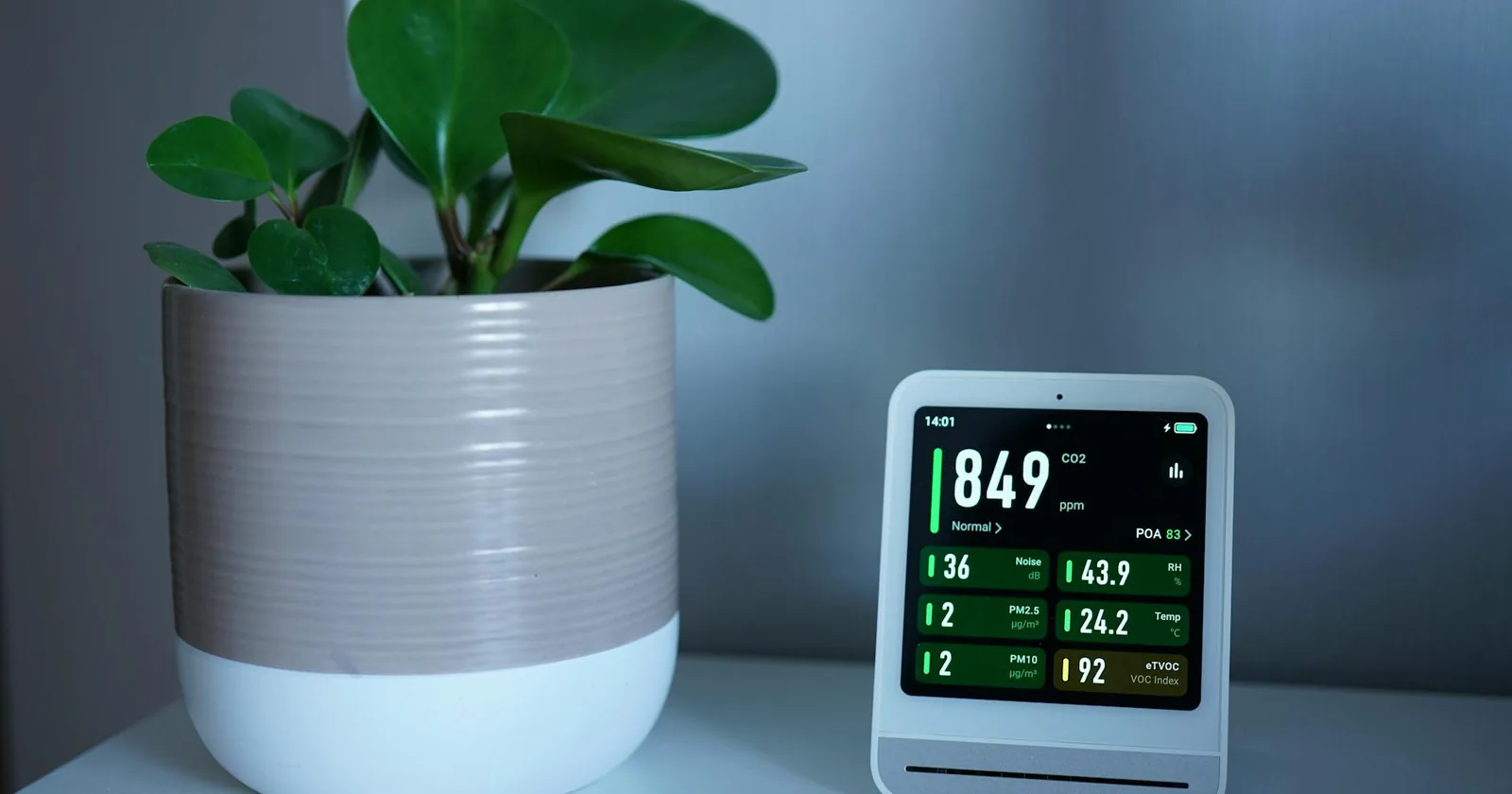
We spend roughly 90 percent of our time indoors, and the EPA has found that the air inside the average home can be two to five times more polluted than the air outside. Dust, pet dander, pollen tracked in on shoes, mold spores, cooking byproducts, off-gassing from new furniture and cleaning products, even radon, all collect inside a house, and a tightly sealed, energy-efficient home holds onto them longer than a drafty old one ever did.
The good news is that you almost certainly already own the machine that can fix most of this. Every time the blower on your forced-air heating and cooling system runs, it pulls air out of your rooms, moves it past a filter, and pushes it back out. That makes your HVAC system the delivery vehicle for nearly every indoor air quality upgrade worth making. Here is the whole stack, from the cheapest fix to the priciest add-on, with an honest look at what each piece actually does versus what the box promises.
Start With Source Control
Before you spend a dollar on equipment, deal with the sources. Filtration and ventilation remove pollutants after they are already in the air; source control means not putting them there in the first place, and it is always the cheapest move. Run the kitchen range hood (one that vents outdoors, not a recirculating model) every time you cook, and run the bathroom fan during and after showers. Take shoes off at the door. Vacuum regularly, especially fabric surfaces like curtains, upholstery, and carpet, where dust settles and then gets stirred back up. Store paints, solvents, and pesticides in a detached garage or shed rather than a hall closet, and groom pets so the system has less dander to chase. Fix moisture problems fast: a damp basement or a slow leak under a sink turns into a mold problem, and mold on your air conditioner’s coil gets blown through the whole house every time the unit cycles on.
Filtration: From MERV 8 to True HEPA
The filter in your furnace or air handler carries a MERV rating (Minimum Efficiency Reporting Value) from 1 to 16 for residential equipment, where higher numbers catch smaller particles. MERV 8 is the basic builder-grade option: it stops lint, dust, and pollen, but it lets a lot of the fine stuff through. MERV 11 starts capturing pet dander and finer dust. MERV 13 reaches into the range that matters for smoke and many bacteria and virus-carrying droplets, which is why it became the pandemic-era recommendation for homes that could handle it.
That last phrase is the catch. A denser filter is harder to push air through, and a residential blower sized for a MERV 8 will struggle behind a MERV 13: weaker airflow, longer run times, a strained motor, sometimes a frozen coil. Use the highest MERV rating your specific system is approved for, usually around 11 to 13, and do not climb past it. If you want serious filtration beyond that, the answer is not jamming a thicker filter into a one-inch slot; it is having a contractor install a deep-pleat media cabinet, a filter housing four to five inches thick that delivers high efficiency with far less airflow penalty.
True HEPA filters, which capture 99.97 percent of particles at 0.3 microns, are too restrictive for a typical residential return. You get HEPA-level performance at home one of two ways: a bypass HEPA unit plumbed into the ductwork, or a good portable room air purifier (match the CADR rating to the room size) running in the bedrooms where people spend eight hours breathing. When you shop, ignore vague words like “hypoallergenic” and look for an independent mark such as the Asthma and Allergy Friendly certification, which requires measured proof of performance. Whatever you install, replace it on schedule: a clogged filter is worse than no upgrade, because airflow collapses and particles slip past the loaded media. Check it monthly, replace a one-inch filter every one to three months, and swap it more often during heavy pollen weeks. A well-chosen filter is one of the quiet reasons an efficient HVAC system keeps a home comfortable and healthy rather than just warm or cool.
Ventilation: Fresh Air Without Wasting Energy
Filtration cleans the air you already have. It does nothing about the carbon dioxide you exhale, lingering odors, or the slow buildup of volatile organic compounds. For that you need ventilation: deliberately swapping stale indoor air for fresh outdoor air. Older houses did this by accident, leaking air through gaps in the building shell. Tightly sealed modern homes do not, which is exactly why indoor pollutants now linger longer.

The smart fix is an energy recovery ventilator (ERV) or a heat recovery ventilator (HRV). Both bring in a measured stream of outdoor air and exhaust an equal stream of indoor air, but they run the two past each other through a core that transfers heat (and, in an ERV, some moisture) from one to the other. So in winter the incoming cold air is pre-warmed by the outgoing air you already paid to heat, and in summer it runs in reverse. An HRV suits cold, dry climates; an ERV usually wins in hot, humid regions; either one ties into your existing ductwork. Many qualify for federal energy-efficiency tax credits or utility rebates, so check before you buy.
There is a free, partial version, too. Most thermostats let you set the fan to “on” instead of “auto,” running the blower continuously to keep air moving past the filter and mixing between rooms and floors. It is one of the simplest fixes for the one room that never feels right; it costs a little electricity, so use the “circulate” setting if your thermostat has one. A vent-top register booster fan can help a stubborn cold room, but persistent comfort problems usually trace back to leaky or undersized ducts that a professional should test and balance.
Humidity: Aim for 30 to 50 Percent
Air that is too dry cracks skin, irritates eyes and nasal passages, aggravates respiratory symptoms, and makes a 68-degree room feel colder than the thermostat says. Air that is too damp invites dust mites, mildew, and mold and makes a 76-degree room feel swampy. The target for comfort and health is a relative humidity between 30 and 50 percent, with the practical sweet spot around 35 to 50.
In winter, especially in northern climates and in any house with forced-air heat, the indoor air goes bone dry, and a whole-house humidifier on the furnace ductwork solves it far more evenly than a portable unit you refill daily. In summer the opposite happens: your air conditioner pulls some moisture out as a side effect of cooling, but in humid regions it often cannot keep up, especially with today’s efficient, short-cycling equipment. A whole-house dehumidifier integrated with the duct system holds the number where you want it without overcooling the house to chase it. A cheap hygrometer, the same gadget that reads humidity on a weather station, tells you which problem you actually have before you spend anything.
UV Lights and Carbon Filters: What They Actually Do
This is where marketing outruns physics, so be precise. Ultraviolet germicidal lights, installed inside the air handler and aimed at the cooling coil, do one thing well: they keep the coil and drain pan from growing the biofilm, mold, and bacteria that thrive on cold, wet metal and get blown into your rooms. That is a real benefit, because a moldy coil is a common source of household allergens and of that damp-basement smell when the AC first kicks on. What a coil light does not do is sterilize the air rushing past it; the air moves far too fast for a meaningful kill. Some systems add a second, higher-output lamp in the airstream for that, but treat air-disinfection claims with skepticism and prioritize the coil-cleaning version.
Activated carbon, sometimes sold as a charcoal filter, is the other specialist. Particle filters, no matter how high the MERV, do almost nothing about gases and odors, because a VOC molecule or a whiff of cooking smell is far smaller than the smallest particle a filter targets. Carbon works by adsorption, chemically grabbing those gas molecules, so it is the right tool for VOCs off-gassing from new furniture, paint, or flooring and for stale smoke and cooking odors. It does nothing for particles, it saturates and needs replacing, and a thin carbon-coated panel filter holds too little carbon to do much. If chemicals and odors are your real concern, look for an actual carbon bed with depth and pair it with a good particle filter, not in place of one.
Monitor What You Cannot See: CO, Radon, and PM2.5
Two of the most dangerous things in household air are invisible, and a third is worth watching. Carbon monoxide kills quickly. Any home with a gas furnace, gas water heater, gas range, fireplace, or attached garage needs working CO alarms, ideally one on every level and near the sleeping areas, tested monthly and replaced every seven to ten years. A cracked furnace heat exchanger is a classic source, which is one more reason that regular furnace inspections and maintenance are not optional in a fuel-burning home. If an alarm sounds, everyone leaves the house and you call for help from outside.
Radon is the slow one: a naturally occurring radioactive gas that seeps up from the soil into basements and lower floors, and after smoking it is the leading cause of lung cancer. You cannot smell it. A short-term test kit costs very little, and if your home reads at or above the EPA action level of 4 picocuries per liter, a mitigation contractor can install a sub-slab depressurization system that vents it safely outdoors. Test every home at least once, and again after major foundation work.
PM2.5, fine particulate matter, is the number behind wildfire-smoke alerts, and it is worth tracking with an inexpensive indoor air quality monitor. When it spikes outdoors, close the windows, run the system fan continuously with a good filter in place (or a bypass HEPA if you have one), and lean on portable purifiers in the rooms you occupy.
When the Rules Change: Allergy Families and Combustion Appliances
If someone in the house has asthma or significant allergies, push filtration and source control harder than the baseline: the highest MERV your system safely allows or a media cabinet, an Asthma and Allergy Friendly certified filter, more frequent filter changes in pollen season, a portable HEPA purifier in the allergic person’s bedroom, tight humidity control to suppress dust mites and mold, and serious attention to ducts. Most ductwork develops leaks, and leaky returns pull dust and fiberglass in from attics and crawlspaces and redistribute it to every bedroom, so having a contractor seal the ducts with mastic or metal tape is one of the highest-value moves available. For the most sensitive cases, a ductless mini-split heat pump sidesteps shared ductwork entirely and conditions and filters the air right in the room.
If your home burns gas, oil, propane, or wood, the priorities reorder around safety and fresh air. Combustion needs makeup air, and a tightly sealed house plus a powerful range hood can backdraft a water heater or furnace, pulling exhaust gases back inside. CO alarms are mandatory, an annual professional inspection of every fuel-burning appliance and its venting is mandatory, and an ERV or HRV earns its keep by supplying the fresh air the house needs without the appliances and exhaust fans fighting over it. This is the scenario where you call a licensed pro rather than improvising, and where it helps to know what HVAC work like this typically costs before you collect quotes.
The Bottom Line
Good indoor air quality is not a single product. It is a short stack of decisions, most of them delivered through the HVAC system you already own. Control the sources first. Filter to the highest MERV your equipment can genuinely handle, and step up to a media cabinet or a bedroom HEPA unit if you need more. Add real ventilation, ideally an ERV or HRV, because a sealed house needs deliberate fresh air. Hold humidity between 35 and 50 percent year round. Use UV light to keep the coil clean, and reach for carbon only when gases and odors are the actual problem. And monitor the invisible threats, carbon monoxide and radon, that no filter will catch. Do that, and the air in your home stops being an afterthought, which, given how much of your life you spend breathing it, is the whole point.
Further reading (sources)
- U.S. EPA on why the air inside a home can be several times dirtier than the air outdoors
- Family Handyman for the ways a neglected HVAC system spreads allergens room to room
- WebMD with a rundown of what air conditioning actually does to your body
- Homes & Gardens and a pro tip for evening out stubborn room temperatures
- U.S. EPA covering home radon testing and the 4 pCi/L action level
- U.S. Department of Energy explaining how whole-house ventilation strategies work
Feature photo by Tim Witzdam on Pexels.