The Role of Efficient Heating and Air Systems in Home Comfort
Published on February 1, 2025
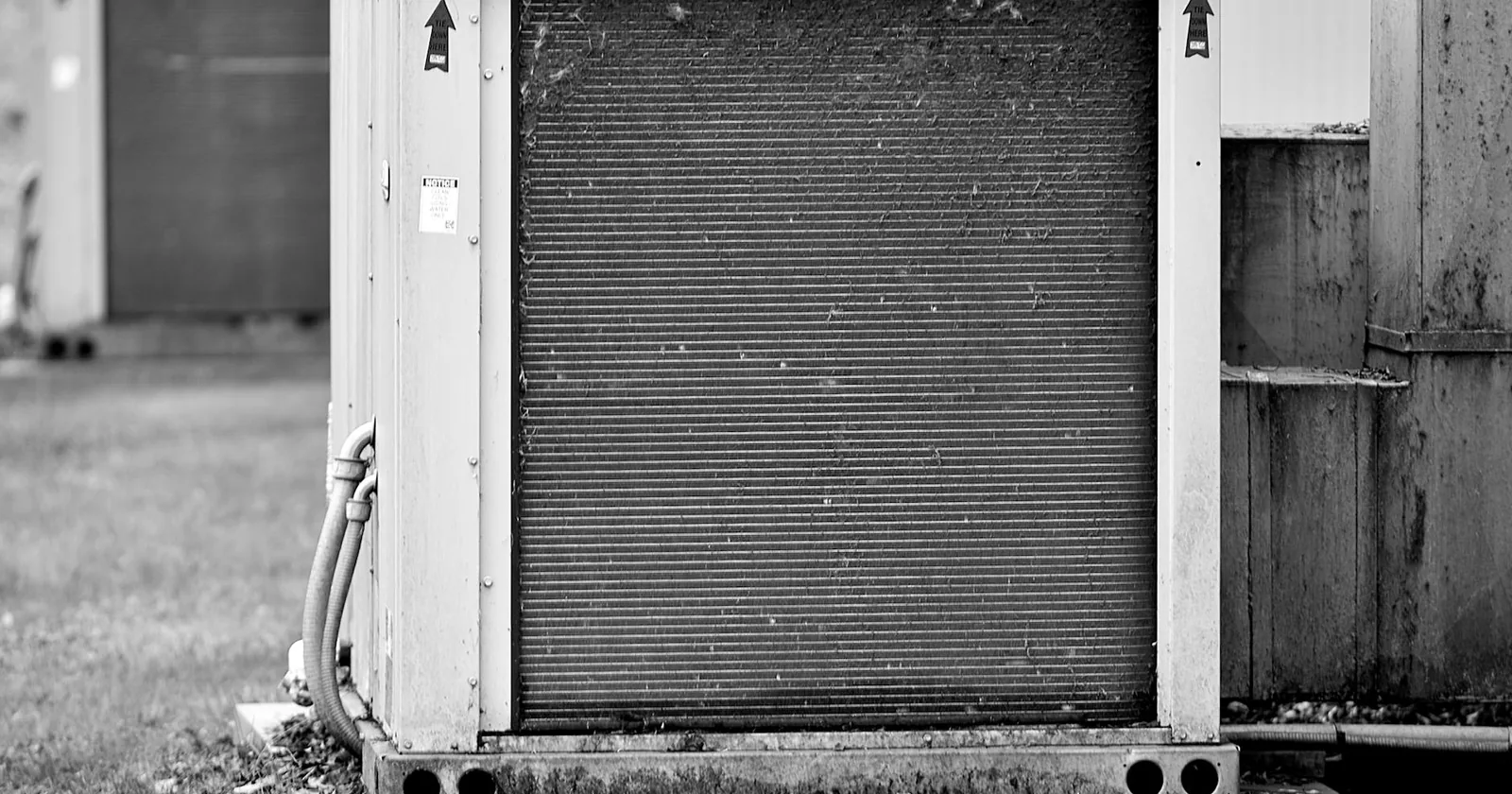
Home comfort is something most people take for granted, until their furnace stops working on the coldest night of the year or their air conditioner gives out during a July heat wave. Behind the scenes, your heating and air conditioning system is working constantly to regulate temperature, manage humidity, filter the air you breathe, and maintain a livable environment in every room of the house. When that system is efficient, you barely notice it. When it is not, you feel it in your comfort, your health, and your energy bills.
Understanding the role an efficient HVAC system plays in overall home comfort can help homeowners make smarter decisions about maintenance, upgrades, and long-term energy savings.
How Heating and Cooling Systems Create Comfort
An HVAC system (short for heating, ventilation, and air conditioning) is made up of several interconnected components that work together to condition the air inside your home. The furnace or heat pump generates warm air during the colder months, while the air conditioner or heat pump removes heat and moisture during the warmer months. Ductwork distributes conditioned air through supply vents into individual rooms, and air filters trap dust, allergens, and other airborne particles before they circulate through the living space.
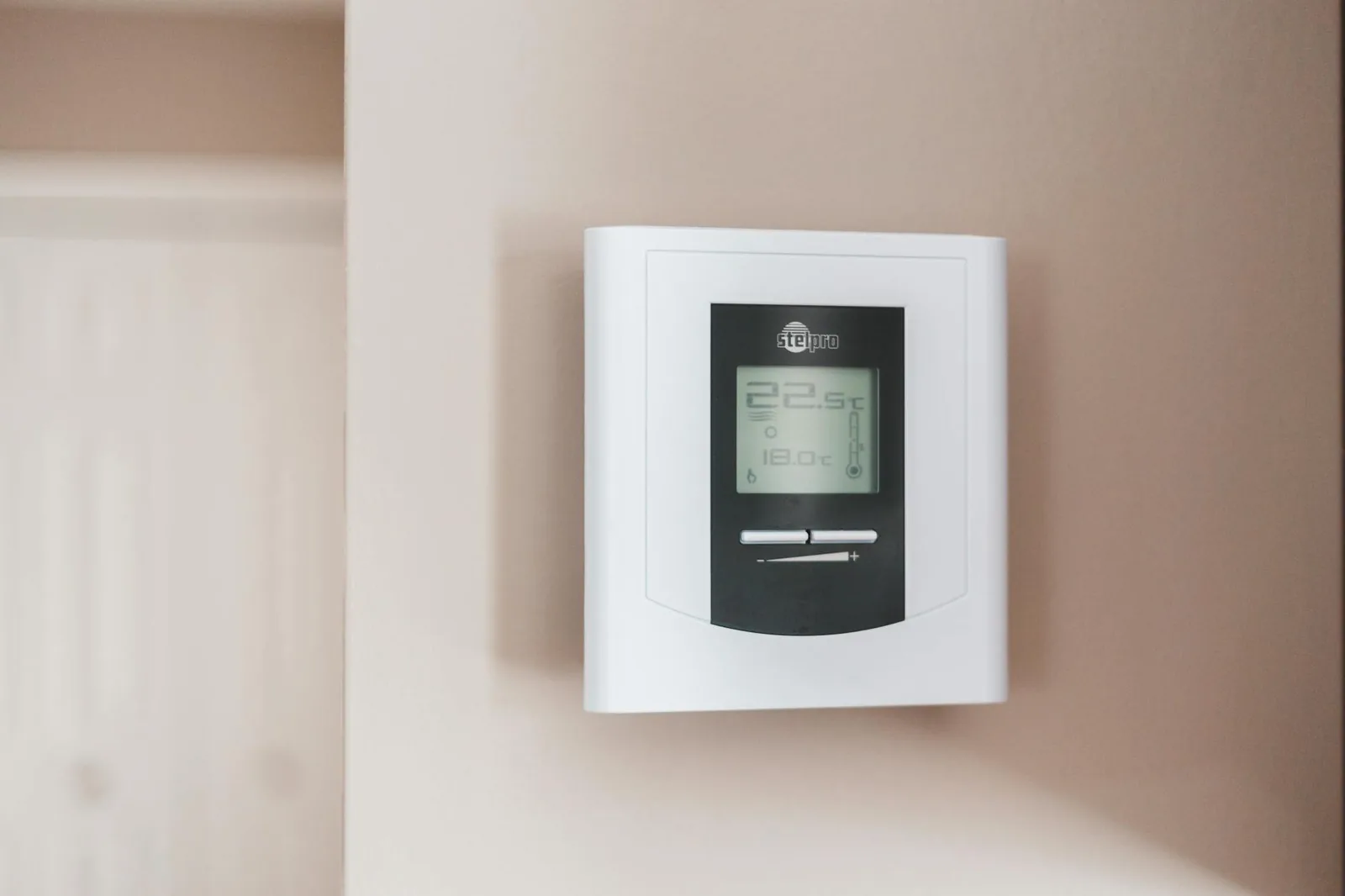
The thermostat acts as the control center, allowing homeowners to set and maintain a desired temperature. When all of these components are functioning properly, the result is consistent temperature from room to room, appropriate humidity levels, and clean air flowing throughout the home. When any part of the system is underperforming or outdated, the entire comfort equation falls apart. Rooms heat unevenly, humidity becomes difficult to control, and energy consumption climbs.
Why Efficiency Matters
According to the U.S. Department of Energy’s ENERGY STAR program, nearly half of the energy used in a typical American home goes to climate control. That means the efficiency of your HVAC system has a direct and substantial impact on your monthly utility bills. An older, less efficient system has to work harder and run longer to produce the same level of comfort as a modern, high-efficiency unit, consuming more energy and costing more money in the process.
Efficiency in heating systems is measured by the Annual Fuel Utilization Efficiency rating, or AFUE, which indicates what percentage of fuel is converted into usable heat. A furnace with a 95 percent AFUE rating converts 95 cents of every fuel dollar into heat, while an older unit with a 70 percent rating wastes nearly a third of the fuel it consumes. For air conditioning, the Seasonal Energy Efficiency Ratio (SEER or the updated SEER2 standard) measures cooling output relative to energy input over a typical cooling season. Higher SEER ratings translate to lower electricity consumption for the same amount of cooling.
Upgrading from an older system with a SEER rating of 10 to a modern unit rated at 20 or higher can reduce cooling costs by 30 to 50 percent or more, depending on climate and usage patterns. When you consider that these savings compound over the 15 to 20 year lifespan of a typical HVAC system, the long-term financial impact of choosing an efficient system becomes clear.
Modern Technology Driving Comfort and Savings
Today’s HVAC systems incorporate technology that was unavailable even a decade ago. Variable-speed compressors and modulating burners allow modern systems to adjust their output in real time based on the actual heating or cooling demand, rather than cycling on and off at full blast the way older single-stage systems do. This results in more consistent temperatures, reduced humidity fluctuations, quieter operation, and much lower energy consumption.
Heat pumps have also advanced dramatically. Modern air-source heat pumps can efficiently heat homes even in subfreezing temperatures, providing both warmth and cooling from a single system. The Department of Energy notes that heat pumps can cut heating-related electricity consumption by as much as 75 percent when measured against traditional resistance-based heaters. Geothermal systems, which exchange heat with the stable underground temperature, achieve efficiency ratings three to five times higher than conventional systems, though they require a larger upfront investment.
Smart thermostats represent another leap forward. These devices learn household routines, adjust settings automatically for energy savings when nobody is home, and allow remote control from a smartphone. When paired with a high-efficiency HVAC system, a smart thermostat can further reduce energy waste without sacrificing comfort.
Ductless mini-split systems offer yet another option, particularly for properties that lack built-in duct systems or for homeowners who want zone-by-zone temperature control. These systems eliminate the energy losses associated with ductwork (ENERGY STAR estimates these can account for up to 30 percent of total HVAC energy in some homes) and allow individual rooms to be heated or cooled independently.
Breathable Air and Occupant Health
Efficiency is not limited to energy savings. A well-maintained, modern HVAC system also plays a critical role in indoor air quality. Advanced filtration systems, including HEPA filters and UV-C light purifiers, capture allergens, dust, mold spores, and even certain bacteria and viruses before they circulate through the home. Proper humidity control, managed by the HVAC system, helps prevent the overly dry air that aggravates respiratory issues in winter and the excess moisture that promotes mold growth in summer.
For households with members who suffer from hay fever, asthma, or similar breathing-related conditions, the quality of the HVAC system and its filtration capabilities can have a measurable impact on day-to-day health and comfort. Systems that manage humidity precisely and filter particulates effectively create a healthier indoor environment year-round.
Getting the Most Out of Your System
Even the most efficient HVAC system cannot perform at its best without proper installation and ongoing maintenance. Improper installation can reduce a system’s efficiency by as much as 30 percent, according to ENERGY STAR. That means a high-efficiency unit installed incorrectly may perform no better than a standard model installed properly. Always work with a licensed, experienced HVAC contractor and ensure the system is correctly sized for your home through a professional load calculation.
Regular maintenance, including changing air filters every one to three months, scheduling annual professional tune-ups, and sealing leaky ductwork, keeps the system running at peak performance and extends its lifespan. Homeowners who invest in routine care often get 15 to 25 years of reliable service from their HVAC systems, while neglected units may fail in as few as 10 years.
The Bottom Line
An efficient heating and air conditioning system is the foundation of home comfort. It regulates temperature, manages humidity, purifies the air, and does it all while keeping energy costs under control. Whether you are maintaining an existing system or considering an upgrade, prioritizing efficiency pays dividends in comfort, health, and long-term savings.
Feature photo by Jay Brand on Pexels.
Further reading (sources)
- ENERGY STAR on how to heat and cool a home efficiently
- U.S. Department of Energy for the consumer guide to home heating and cooling
- ENERGY STAR with the seasonal maintenance checklist
- U.S. Department of Energy on how home cooling systems compare