What Temperature Should You Set Your AC to in Summer? The Comfort-vs-Cost Sweet Spot
Published on July 15, 2026

Every summer the same question lands in inboxes and search bars: what should I actually set my thermostat to? Set it too low and the bill stings; set it too high and the house feels like a parked car. The number most people have heard is 78 degrees, and it is a genuinely good starting point. But it is a starting point, not a rule handed down from on high, and the real answer depends on humidity, your daily schedule, and how your particular house holds cool air. Here is how to find the setting that keeps you comfortable without paying to refrigerate an empty living room.
The Short Answer: 78 Is a Benchmark, Not a Law
The most widely circulated guidance comes from an ENERGY STAR example schedule: 78 degrees when you are home and awake, about 82 when you are asleep, and around 85 when the house is empty. It is a sensible template, and if you want a single number to try first, 78 is it.
What often gets lost is that these are not fixed federal mandates. The EPA has clarified that the figures are an illustration, not a decree, and that the underlying advice is relative rather than absolute: from whatever temperature you find comfortable, nudge the setting up about 7 degrees when nobody is home and about 4 degrees when everyone is asleep. If 78 leaves you miserable, start at 76 and apply the same setbacks. The principle doing the real work is simple. The smaller the gap between the temperature inside and the temperature outside, the less your air conditioner has to run, and the less you pay. Every degree you close that gap on the cool side is money leaving the house.
Why Every Degree Costs You
Cooling is usually the single biggest line on a summer electric bill, so small thermostat changes add up fast. The U.S. Department of Energy estimates you can save as much as 10 percent a year on heating and cooling by turning the thermostat back 7 to 10 degrees for eight hours a day from its normal setting. Many utilities boil that down to a rougher rule of thumb: figure on trimming somewhere in the neighborhood of 1 to 3 percent off your cooling costs for each degree you raise the setpoint, though the real number swings with your climate and how long the hot stretch lasts.
The reason is physics, not thermostat magic. On a 95-degree afternoon, holding the house at 72 means your system fights a 23-degree gap all day, running long and hard. Let the house sit at 78 and that gap shrinks to 17 degrees, so the compressor cycles less and draws less power. That is also why a house in a mild-summer climate sees smaller savings from the same setback than a house baking through a Gulf Coast July. The hotter it is outside, the more each degree of restraint is worth.
Humidity Is the Hidden Variable
Temperature is only half the comfort equation. A dry room at 78 degrees feels better than a clammy room at 74, because your body sheds heat by evaporating sweat, and it cannot do that efficiently when the air is already soggy. A well-running air conditioner is really handling two tasks on every cycle, dropping the air temperature while also wringing water vapor out of it. Keep indoor relative humidity somewhere under about 50 percent and a slightly warmer thermostat setting will still feel comfortable.
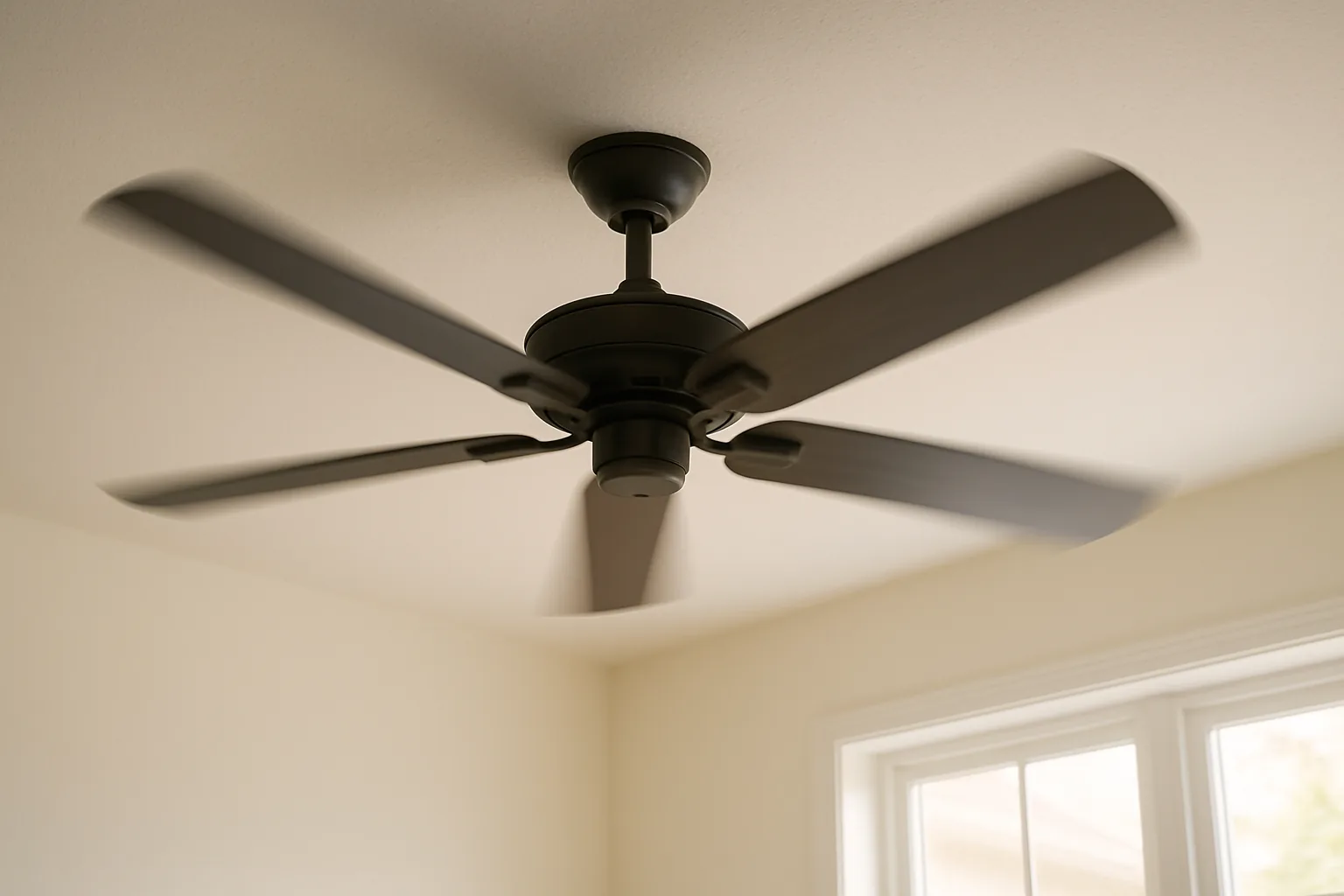
Two small moves protect that dryness. First, leave the fan switch on AUTO, not ON. On AUTO the blower runs only while the system is actively cooling, so the water that condenses on the coil drains away. Leave it on ON and the blower keeps running between cooling cycles, blowing that collected moisture right back into the house. Second, lean on ceiling fans. A fan does not cool the air, it cools you, through the same evaporative effect, which is why the DOE notes you can raise the thermostat about 4 degrees with no loss in comfort when a fan is running. Just turn fans off in empty rooms, because cooling a room with no people in it accomplishes nothing. If your house feels muggy even at a reasonable temperature, that is a signal worth chasing down, sometimes with a dedicated dehumidifier or a variable-speed system that runs longer, gentler cycles. Our complete guide to indoor air quality walks through humidity control in more depth.
Let a Schedule Do the Work
You do not have to choose between comfort and savings if you let the temperature drift when it does not matter. The single most effective habit is setting the house back while you are away at work and while you are asleep, then bringing it back to your comfortable number for the hours you are actually up and about. That captures most of the available savings without asking you to sweat through dinner.
A programmable or smart thermostat makes this automatic, and geofencing on the newer models can even ease the setting back down as you drive home so the house is comfortable by the time you walk in. Our smart thermostat buying and setup guide covers how to pick one and put it on the wall yourself.
While you are at it, drop two stubborn myths. The first is that it costs more to cool the house back down than to hold a steady temperature all day. It does not. A warmer house gains heat from outside more slowly than a cool one, so the energy you save during the setback always outweighs the short recovery cost. The second is that cranking the thermostat down to 60 cools the house faster. It does not. Your air conditioner removes heat at a fixed rate no matter what number you dial in, so all you accomplish is overshooting the mark and running the system longer than you needed to.
Your House Changes the Math
The perfect number for your neighbor may feel wrong in your house, and that is usually the building talking, not the thermostat. Insulation, air sealing, window shading, and which direction the house faces all decide how fast the sun undoes your air conditioner’s work. Two-story homes have their own quirk, because heat rises and the upstairs almost always runs warmer than the main floor, which is where zoning systems earn their keep.
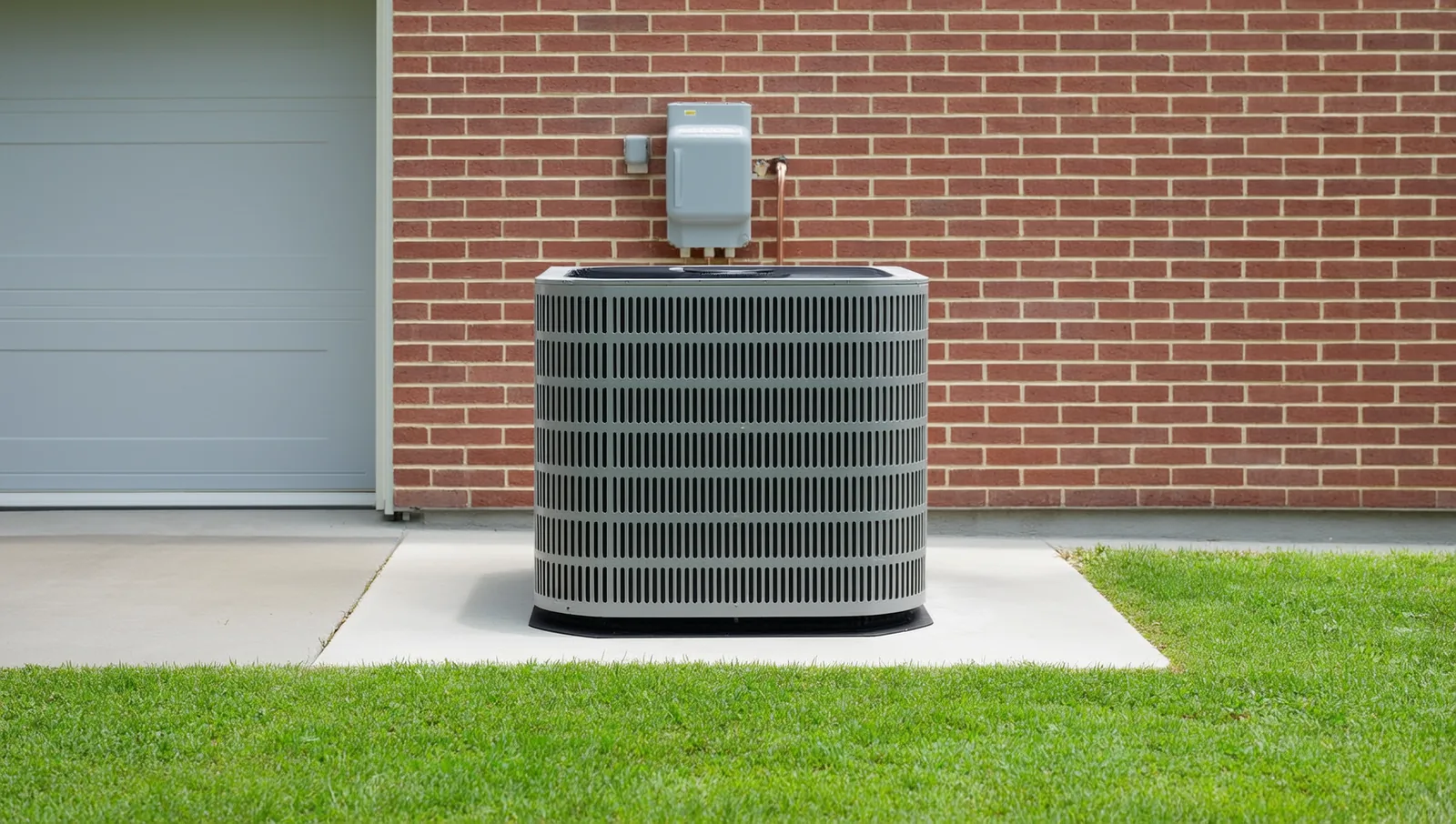
Ductwork matters just as much and gets ignored the most. Ducts that leak or run uninsulated through a 130-degree attic can dump a large share of your cooled air before it ever reaches a room, so the system runs and runs while the thermostat never quite settles. If your air conditioner runs nonstop on a hot day and still cannot reach a reasonable setpoint, the problem is probably not the number you picked. That is a diagnostic issue, and our walkthrough on why an AC runs but will not cool the house covers the likely culprits. If the unit is simply undersized, oversized, or aging out, it may be worth stepping back to look at which type of system actually fits your home before you sink money into a setting that the equipment cannot deliver.
When Comfort and Health Come First
The dollars are real, but they are not the only thing on the scale. Heat is genuinely dangerous for some people, and no thermostat setting is worth pushing past that line. Infants, adults over 65, anyone with a heart or respiratory condition, and pets all handle heat poorly, and during a serious heat wave a house that sits at 85 all afternoon can cross from thrifty into unsafe. If someone in your home is vulnerable, keep the setting lower and treat cooling as a health measure, not a luxury.
The takeaway is that the sweet spot is personal. 78 is a well-chosen benchmark, and the away-and-asleep setbacks are where the savings actually live, but the right number is the one that keeps everyone in your house safe and comfortable at the lowest bill you can reach without sacrificing either. If you are ready to lean into efficiency, upgrades from a smart thermostat to a high-efficiency system often qualify for real money back, which we break down in our guide to HVAC tax credits, rebates, and financing.
Further reading (sources)
- U.S. Department of Energy on how programmable setbacks cut heating and cooling costs
- The Hill for what the government’s 78-degree guidance really means
- Consumer Reports with the best setting for your central air conditioning
- Kiplinger covering the right temperatures to set your thermostat year round
- Democrat and Chronicle asking experts to share the ideal summer AC temperature