Heat Pump Buying Guide 2026: Types, Costs, and What Homeowners Need to Know
Published on May 26, 2026
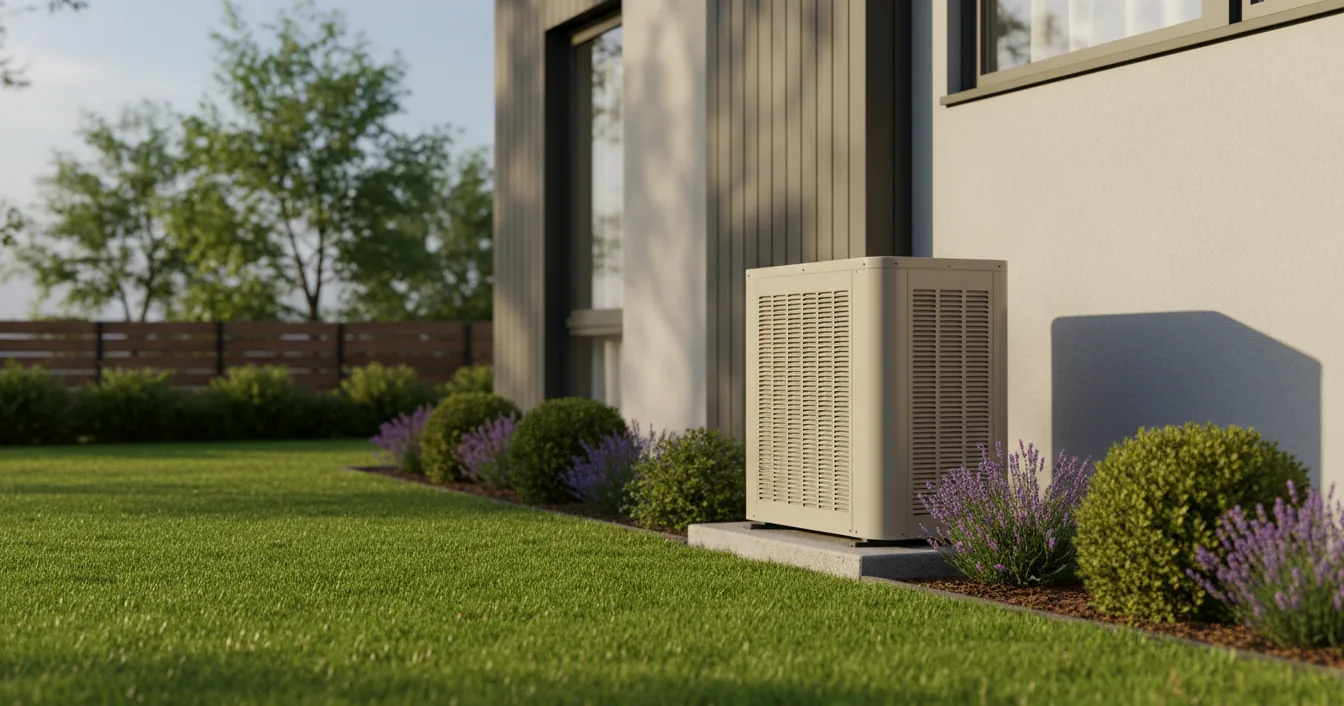
A heat pump is the single biggest change most American homeowners can make to lower a utility bill and cut household carbon at the same time. The National Renewable Energy Laboratory estimates that more than 92 percent of US homes would spend less on energy each year after switching, with a median annual savings between $300 and $650 once efficiency and weatherization are factored in. The catch is that a heat pump is not a single product. It is a category that spans $5,000 ductless mini-splits, $14,000 whole-home air-source systems, and $35,000 geothermal installations, and each one rewards a different home, climate, and budget. This is the guide we wish every homeowner had before they called the first contractor.
How a Heat Pump Actually Works
A heat pump is a two-way air conditioner. In summer it pulls heat out of indoor air and dumps it outside, the same way any central AC does. In winter it reverses the cycle, drawing thermal energy from the outdoor air (or the ground) and moving it inside. Because the unit is moving heat rather than burning fuel to create it, the energy math is wildly favorable. A standard electric resistance heater converts one watt of electricity into one watt of heat. A modern heat pump delivers two to four watts of heat for every watt of electricity it consumes. That is not a marketing slogan. It is basic physics, and it is why the U.S. Department of Energy lists heat pumps as the highest-efficiency option for combined heating and cooling.
Modern systems use inverter-driven compressors that ramp output up and down continuously instead of cycling fully on and off. The result is steadier room temperatures, quieter operation, and noticeably better humidity control than the single-stage furnace or central AC most homeowners are used to.
Air-Source vs Ground-Source: Two Very Different Animals
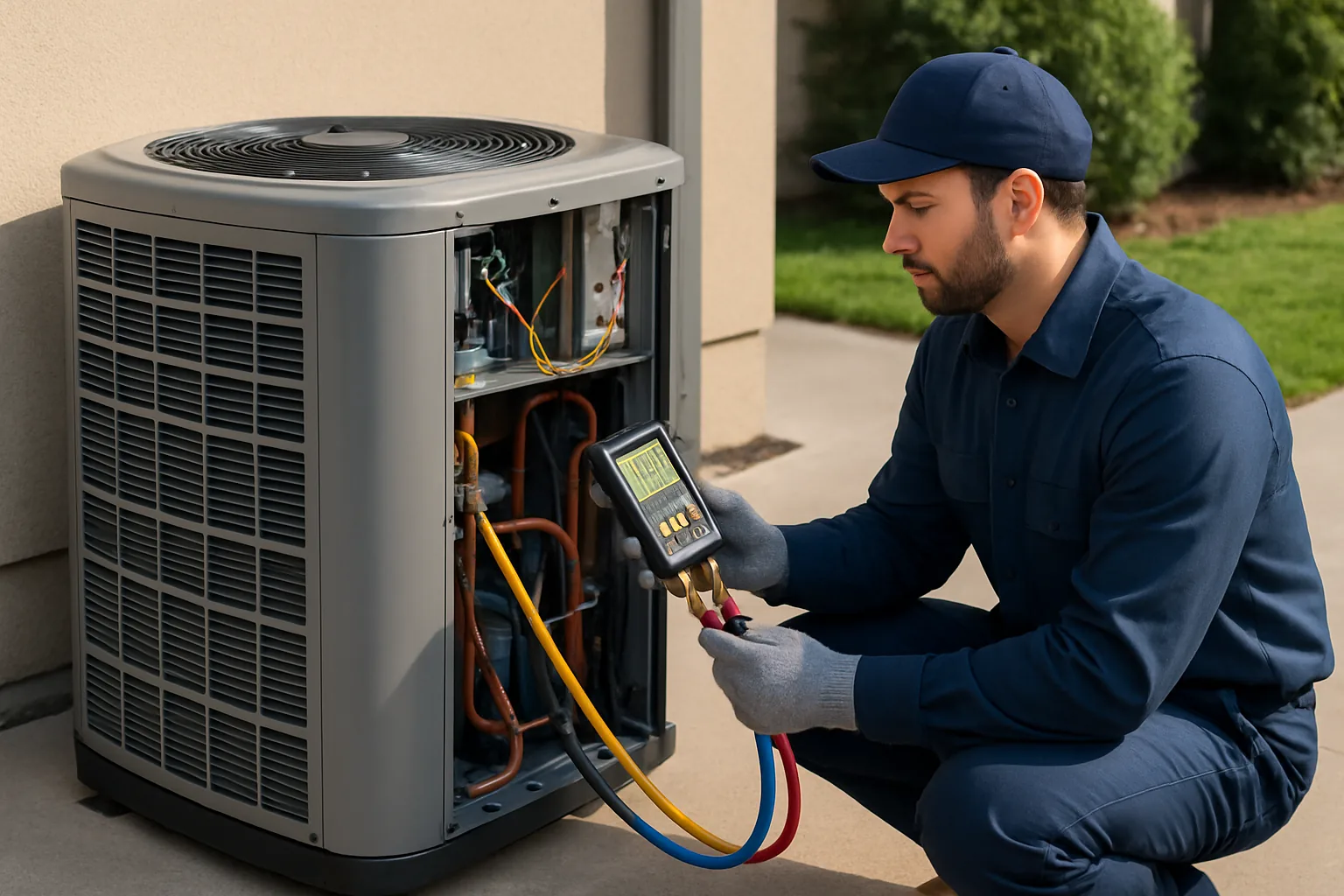
The two main categories you will encounter are air-source and ground-source (commonly called geothermal). They share the same underlying physics, but the install, the cost, and the long-run economics are different enough that they really are separate products.
Air-source heat pumps exchange heat with the outdoor air. They come in two flavors: ducted central systems that work with the ductwork already in your home, and ductless mini-splits with one outdoor unit feeding one or more wall-mounted indoor heads. Ducted air-source systems typically run $7,000 to $14,000 installed for a whole-home setup. Mini-split installations land between $2,000 and $14,500 depending on the number of indoor zones. Modern cold-climate models from Mitsubishi, Daikin, Bosch, and others now maintain rated capacity down to minus 5 degrees Fahrenheit and keep producing useful heat into the negative teens. For most homes south of the Canadian border, an air-source unit is the right answer.
Ground-source (geothermal) heat pumps exchange heat with the earth a few feet down, where the soil sits at a steady 50 to 60 degrees year-round regardless of the weather above it. That stable source is what lets geothermal systems hit efficiency ratings three to five times higher than air-source equipment. The tradeoff is the trench or borehole loop the installer has to bury in your yard. Total installed cost runs $15,000 to $35,000, with the loop field accounting for most of the premium. A geothermal install pays back fastest in extreme climates, on properties with the lot space to dig, and for homeowners who plan to stay in the house for 15-plus years.
Decoding SEER2, HSPF2, and the Efficiency Labels
Two ratings dominate the yellow EnergyGuide sticker on every heat pump sold today, and the test methods behind both were updated in 2023.
SEER2 (Seasonal Energy Efficiency Ratio, version 2) measures cooling efficiency across an entire season. The federal minimum is 14.3 SEER2 in the South and 13.4 SEER2 in the North. Energy Star certification kicks in around 15.2 SEER2. Premium variable-speed units crest 20 SEER2 and slash summer electricity use by a third or more compared to legacy 10 SEER equipment.
HSPF2 (Heating Seasonal Performance Factor, version 2) is the heating equivalent. Federal minimum is 7.5 HSPF2. Energy Star starts at 8.1 HSPF2. Cold-climate units that hold capacity well below freezing typically rate 9.0 HSPF2 or higher.
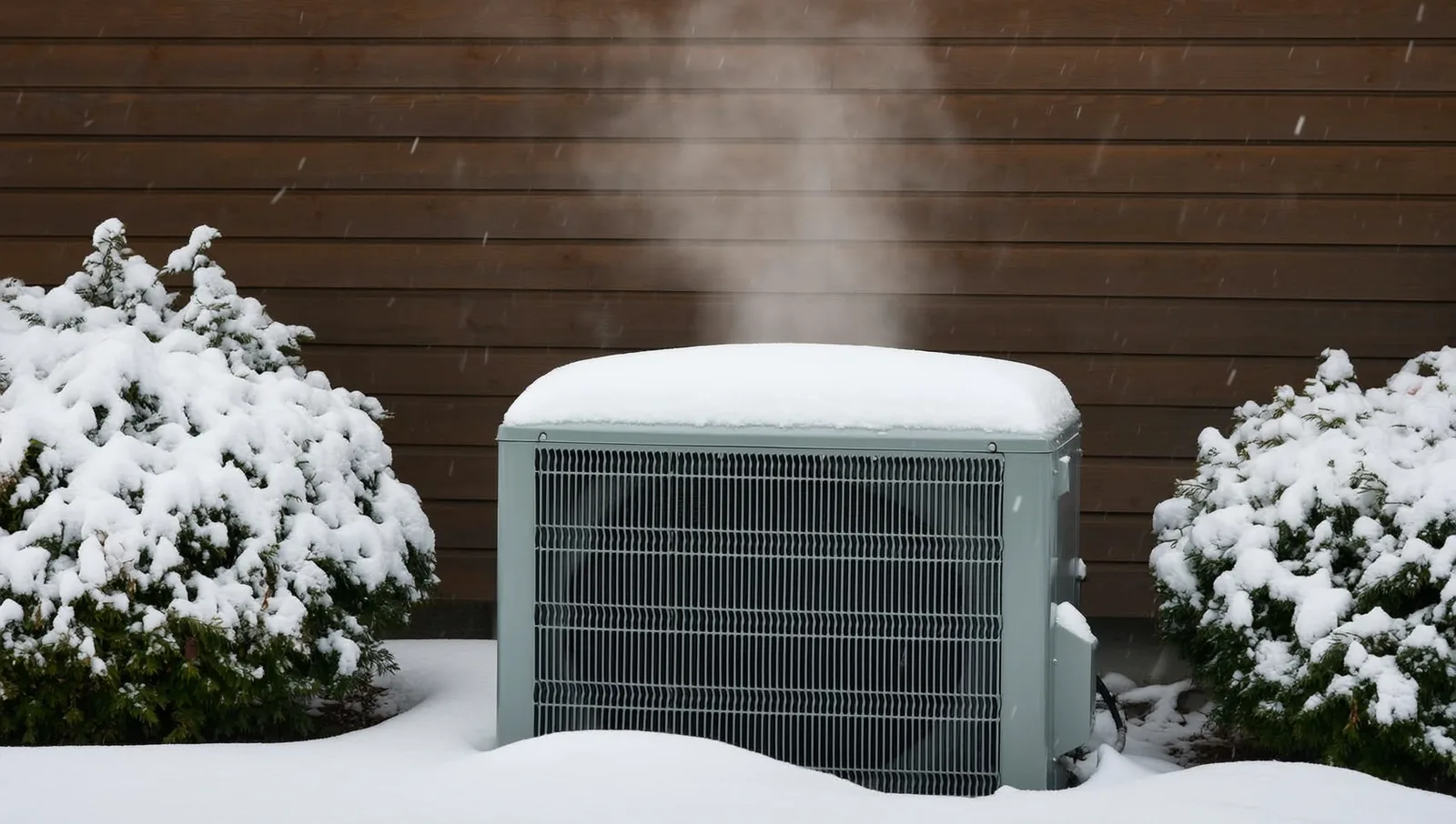
There is one more number worth asking about if you live anywhere with a real winter: COP at low ambient temperature. This is the coefficient of performance, measured directly at a fixed cold temperature (often 5 degrees Fahrenheit). A unit with a COP of 2.0 at 5 degrees is still delivering twice the heat per watt of electricity at that temperature, which is the test that separates true cold-climate models from name-only marketing.
Sizing: Why Bigger Is Not Better
The single most common installation mistake in the entire HVAC industry is oversizing. An oversized heat pump cools the room down fast, hits the thermostat setpoint, and shuts off before it has a chance to pull moisture out of the air. The house feels clammy in summer and overshoots cold and warm targets in winter. It also short-cycles, which kills the compressor years ahead of schedule.
A proper sizing exercise is called a Manual J load calculation, named after the standard published by the Air Conditioning Contractors of America. A good contractor will measure your insulation, your window area and orientation, your air leakage rate, your ceiling height, and your local design temperatures, then feed all of it into software that spits out a heating load and a cooling load in BTUs per hour. The rough rule of thumb is one ton of capacity (12,000 BTU) per 500 square feet, but rule-of-thumb sizing is exactly how oversized units get installed. Ask every contractor in writing whether they perform Manual J on every quote. If the answer is no, get a different contractor.
What a Heat Pump Costs in 2026
Installed pricing for a whole-home air-source heat pump in 2026 typically lands between $7,500 and $18,000, depending on equipment tier, climate-specific cold-weather capacity, the condition of your ductwork, and whether the install includes an electrical panel upgrade. Mini-split systems start lower at $2,000 for a single-zone install and climb past $14,000 for whole-home multi-zone setups. Geothermal sits in its own bracket at $15,000 to $35,000 thanks to the buried loop field.
Several line items can push a project up or down. Old ductwork that leaks badly may need sealing or replacement, adding $1,000 to $5,000. Switching from a gas furnace to an electric heat pump often requires a 200-amp panel upgrade ($2,000 to $4,000) and a dedicated 240-volt circuit ($500 to $1,500). Premium variable-speed equipment adds roughly $2,000 over single-stage models but typically returns the difference in energy savings within four to seven years. A clear sense of what these line items run is half the battle: our breakdown of what to expect when calling heating and air services covers the rest, from diagnostic fees to permit costs.
The Tax Credits and Rebates That Change the Math
The Inflation Reduction Act turned a heat pump from a niche purchase into a national one. The Section 25C Energy Efficient Home Improvement Credit covers 30 percent of an air-source heat pump install, capped at $2,000 per year. Section 25D covers 30 percent of a ground-source heat pump install with no cap, so a $30,000 geothermal project becomes a $21,000 project after the federal credit. HEEHRA point-of-sale rebates can layer another $8,000 on top for households below 150 percent of area median income, and state and utility programs frequently add a few hundred to a few thousand more. For a full picture of what stacks on top of what (and the rebate scams currently doing the rounds), see our 2026 guide to HVAC money, rebates, and rebate scams.
Heat Pump vs Furnace and AC: When Each One Wins
A heat pump replaces both your furnace and your air conditioner with a single piece of equipment, which is one reason the combined upfront cost feels steep. But a fair comparison has to count both halves.
A new high-efficiency gas furnace ($3,000 to $7,000 installed) plus a new central AC ($4,500 to $9,000) lands in roughly the same total range as a comparable air-source heat pump. The heat pump usually wins on running costs in any climate where electricity is reasonably priced and winters are moderate. The furnace-plus-AC combo can still win where natural gas is cheap, winters are brutal, and the home cannot accept a cold-climate heat pump for some structural reason. A growing number of homes split the difference with a dual-fuel setup: a heat pump for most of the year, with the existing gas furnace kicking in only on the coldest nights when its operating cost briefly falls below the heat pump’s. That hybrid configuration is the highest-savings option in many northern climates and is worth asking about by name.
Whichever direction you go, the long-term economics of an efficient HVAC system hinge on installation quality. A poorly installed premium heat pump performs worse than a well-installed entry-level one. Insist on Manual J. Pay for the panel upgrade if you need it. And book the annual maintenance visit every spring; a heat pump that runs year-round wears faster than a furnace that takes the summer off.
The Bottom Line
A heat pump in 2026 is the right answer for the large majority of American homes. Air-source units cover the broad middle of the market for $7,500 to $18,000 installed, ground-source units pay back hardest in extreme climates for $15,000 to $35,000, and federal credits and state rebates can knock $5,000 to $15,000 off either sticker. The variables that matter most are correct sizing through Manual J, the right cold-climate spec for your winters, and a contractor who treats the install (not just the equipment) as the product. Get three written quotes, verify the model numbers against the Energy Star and CEE qualifying lists, and run the rebate math before signing. The technology is genuinely ready. The savings show up the first month the system runs.
Further reading (sources)
- The New York Times Wirecutter for everything to know before buying a heat pump
- Consumer Reports on the best whole-house heat pumps tested for 2026
- U.S. Department of Energy with the official primer on heat pump systems
- ENERGY STAR on how SEER2 and HSPF2 ratings compare
- National Renewable Energy Laboratory for the 2024 study on heat pump household savings