Understanding the Costs: What to Expect When Calling Heating and Air Services
Published on February 1, 2025
Whether your furnace is making strange noises, your air conditioner is not cooling the way it used to, or you are planning a system upgrade, one of the first questions on any homeowner’s mind is: how much is this going to cost? Heating and air conditioning services cover a wide range of work, from a simple tune-up to a complete system replacement, and prices vary significantly based on the type of service, the complexity of the job, and where you live.
Having a clear understanding of typical HVAC costs helps you budget for both routine maintenance and unexpected repairs, ask informed questions when getting quotes, and avoid overpaying for services.
Routine Maintenance and Tune-Up Costs
Routine maintenance is the most affordable category of HVAC service and the one that delivers the best return on investment in terms of preventing costly problems down the road. Most HVAC professionals recommend scheduling two tune-ups per year, one in the spring for your air conditioning system and one in the fall for your furnace or heating system.
A basic HVAC tune-up typically costs between $75 and $200 per visit, depending on your location and the scope of the service. During a tune-up, a technician will inspect and clean key components, check refrigerant levels on the cooling side, test the thermostat, replace the air filter, and verify that the system is operating within manufacturer specifications. Some tune-ups are more involved and may include duct inspection or combustion analysis, which can push the cost toward the higher end of the range.
Many HVAC companies offer annual maintenance contracts or service plans that bundle two seasonal tune-ups together, often at a discounted rate. These plans typically cost between $150 and $300 per year for the full HVAC system and frequently include extra benefits like priority scheduling, discounted repair rates, and waived diagnostic fees. For homeowners who want predictable costs and the assurance that their system is being professionally maintained on a regular schedule, a service plan can be a worthwhile investment.
Diagnostic and Service Call Fees
When something goes wrong with your heating or cooling system and you call for a repair, most HVAC companies charge a diagnostic or service call fee just to come to your home and assess the problem. This fee covers the technician’s travel time, vehicle expenses, and the initial evaluation of the issue.
Service call fees generally range from $75 to $200, with the national average landing around $100 to $150 for a standard daytime visit. In some cases, this fee is applied toward the total cost of the repair if you authorize the work. In other cases, it is billed separately on top of labor and parts charges. It is important to clarify this up front when scheduling the appointment.
If you need service outside of regular business hours (evenings, weekends, or holidays), expect to pay a premium. After-hours and emergency service calls typically add $100 to $200 on top of the standard fee, and some companies charge time-and-a-half or double their regular hourly rate for emergency visits. Emergency HVAC services generally range from $150 to $500 for the visit alone, depending on the time of day and the severity of the issue.
Common Repair Costs
HVAC repair costs vary widely based on what needs to be fixed. Minor repairs fall on the lower end, while component replacements can represent a significant expense. The national average for an HVAC repair is around $350, though individual jobs can range from as low as $100 for a simple fix to $3,000 or more for a major component failure.
Here is a general overview of what homeowners can expect for some of the most common heating and air conditioning repairs. Replacing an air filter is the least expensive maintenance item, typically costing $10 to $50 for a standard filter or up to $200 for high-efficiency HEPA filters. A thermostat replacement runs $100 to $400 depending on the model, with smart thermostats at the higher end. Capacitor replacement, a common cause of systems that fail to start, usually costs $100 to $400 including parts and labor.
Blower motor replacement is a more significant repair, ranging from $400 to $1,500 depending on whether the unit uses a single-speed or variable-speed motor. Evaporator coil replacement, another frequent repair on aging air conditioning systems, typically costs $600 to $2,500. Refrigerant recharging, needed when a system develops a leak, generally runs $200 to $500.
Ductwork repairs (needed when leaks or damage reduce system efficiency and cause uneven heating or cooling) can cost anywhere from $500 to $2,000 depending on the extent of the problem. For more complex issues involving the compressor or the heat exchanger, costs can climb to $1,500 to $3,000 or more, at which point a full system replacement may become the more cost-effective option.
System Replacement and Installation Costs
When repairs are no longer economical or when a system has reached the end of its useful life, a full replacement becomes necessary. This is the most significant HVAC expense a homeowner will face, but it is also an opportunity to upgrade to a more efficient, reliable system that can reduce energy bills for years to come.
In 2025, a complete HVAC system replacement (including both heating and cooling equipment) typically costs between $5,000 and $15,000 for most homes, with the national average falling around $7,500 to $14,000 depending on the system type, brand, efficiency rating, and complexity of the installation. For a standard 2,000-square-foot home with existing ductwork in good condition, a mid-range central air conditioner and gas furnace package generally lands in the $10,000 to $14,000 range including labor.
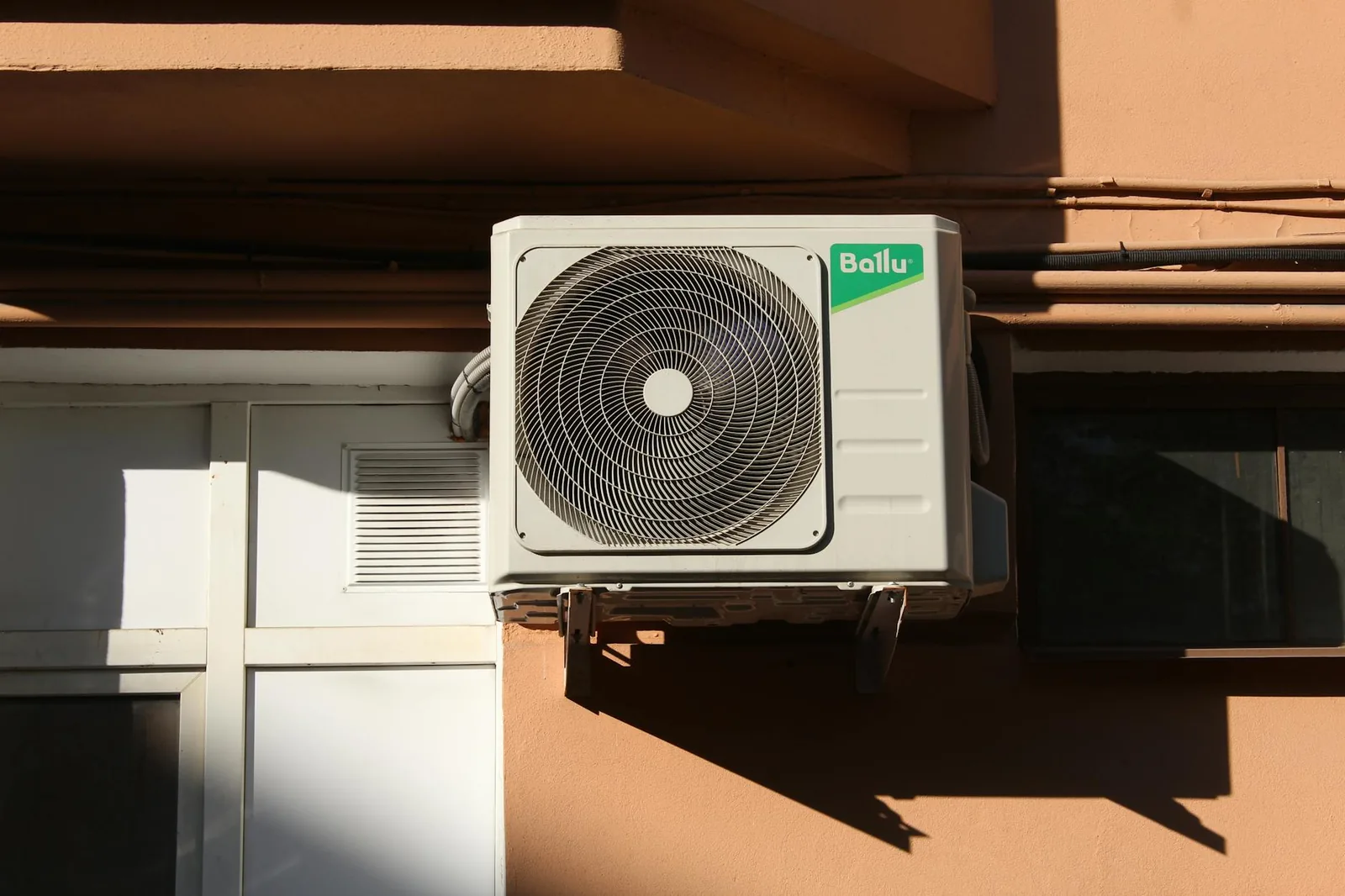
Individual components carry their own cost ranges. A new central air conditioner runs $3,000 to $8,000 installed, while a new furnace costs $1,000 to $4,000. Heat pump systems, which provide both heating and cooling, range from $4,200 to $7,600 installed. Ductless mini-split systems cost $2,000 to $14,500 depending on the number of indoor units required. Geothermal systems represent the highest upfront investment at $15,000 to $35,000, but offer the greatest long-term energy savings and may qualify for significant federal tax credits.
Homeowners should also budget for potential extra costs such as ductwork modification or replacement, which can add $1,000 to $5,000, electrical upgrades if switching to a heat pump system, and permit fees required in many jurisdictions.
Factors That Influence HVAC Costs
Several variables affect what you will ultimately pay for any heating and air conditioning service.
Geographic location is one of the biggest factors. HVAC labor rates, material costs, and energy prices all vary by region. Homeowners in major metropolitan areas and high-cost-of-living states like California and New York typically pay 15 to 25 percent more than the national average.
System type and size directly impact both installation and repair costs. A larger home requires a more powerful system, and more complex setups like zoned systems or geothermal installations involve higher equipment and labor costs.
Efficiency rating affects upfront cost but offers long-term savings. Higher-efficiency systems with better SEER or AFUE ratings cost more to purchase but consume less energy over their lifespan. Federal tax credits (up to $2,000 for qualifying heat pumps and up to $600 for central air conditioners) along with state and utility rebates can help offset the premium.
Timing matters as well. Scheduling installation or major service during shoulder seasons (spring and fall) often results in better pricing and more flexible scheduling than peak summer and winter months when HVAC companies are busiest.
Tips for Managing HVAC Costs
There are several practical strategies homeowners can use to keep heating and air conditioning costs manageable. Investing in a maintenance plan prevents small problems from becoming expensive emergencies. Getting at least three quotes for any major repair or installation ensures competitive pricing. Bundling multiple small repairs into a single service visit avoids paying repeat service call fees. Scheduling work during off-peak seasons often yields lower prices. And when replacing a system, factoring in available rebates, tax credits, and long-term energy savings alongside the sticker price gives a more accurate picture of the true cost of ownership.
The Bottom Line
HVAC costs range from under $100 for a basic filter change to $15,000 or more for a full system replacement. Routine maintenance at $75 to $200 per visit remains the most cost-effective way to protect your system, while repairs average around $350 and emergencies can run significantly higher. Knowing these numbers ahead of time empowers you to budget wisely, ask the right questions, and make informed decisions when your heating or air conditioning system needs attention.
Feature photo by Kindel Media on Pexels.
Further reading (sources)
- ENERGY STAR on where efficiency gains actually come from
- U.S. Department of Energy for the guide to home heating and cooling choices
- ENERGY STAR with the maintenance that prevents expensive failures