Replacing an Electric Furnace With a Heat Pump: The Easiest Swap With the Biggest Payback
Published on October 26, 2026
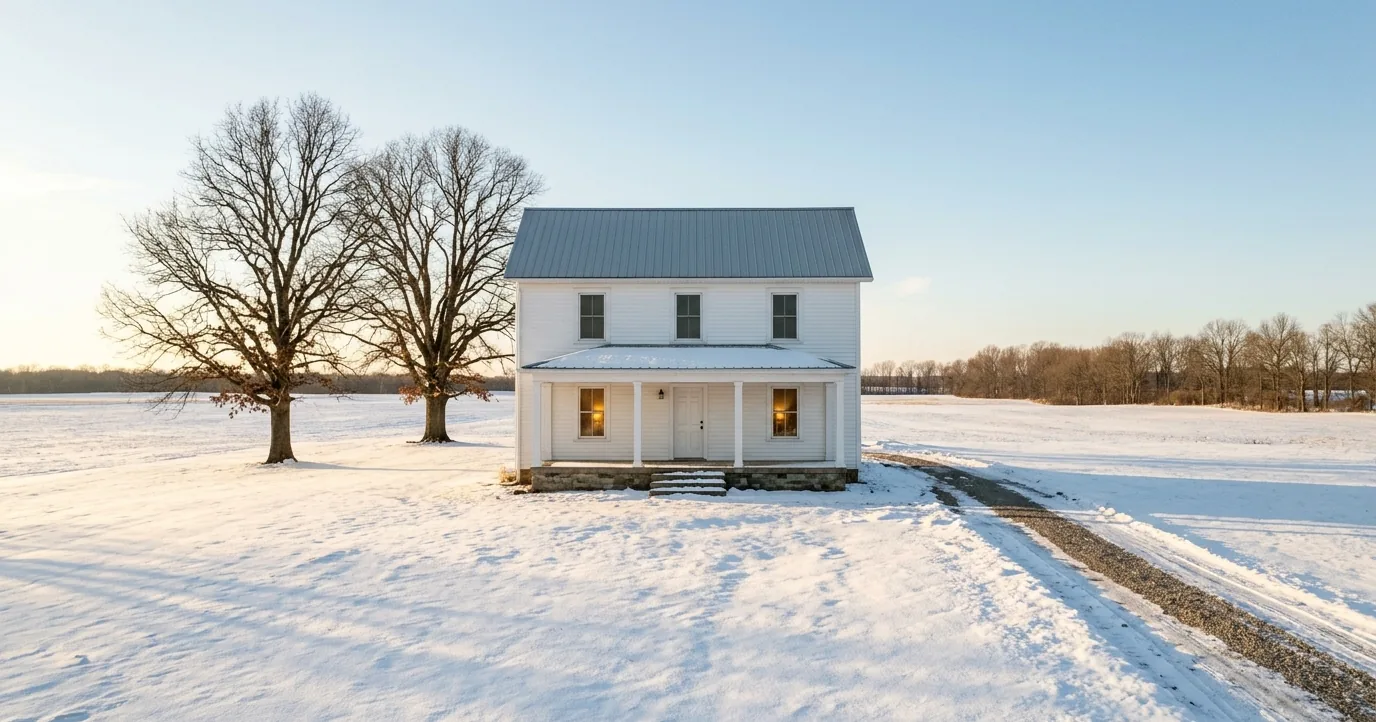
A rural family in a 50-year-old house has a heating decision to make. The electric furnace that has warmed the place since it was built is due for replacement, there is no natural gas on their road, and average winter lows where the parents live dip below minus 4 degrees Fahrenheit. Their adult son put the question to an online heat pump forum in about as few words as it can be put: “Is there any practical reason to install a new electric furnace over a forced air heat pump that uses the existing ducting?” The answers were close to unanimous. “Do not. And I repeat, do not get an electric furnace,” one commenter wrote. “Your bills will be through the roof.”
That family has plenty of company: the U.S. Energy Information Administration (EIA) counts about 13.8 million homes heated mainly by an electric furnace, not far short of the 16.1 million heated by a heat pump. For all of them, in any climate, this is the heat pump conversion with the least to argue about. The ducts are in place, the house already heats with electricity, and the machine on its way out is the least efficient way to do it. Before you call anyone, find the furnace’s data plate and note its kilowatt (kW) rating, its age, and whether a cooling coil already sits on or inside it. Most of what follows depends on those three answers.
Why This Swap Pays Back Faster Than Any Other
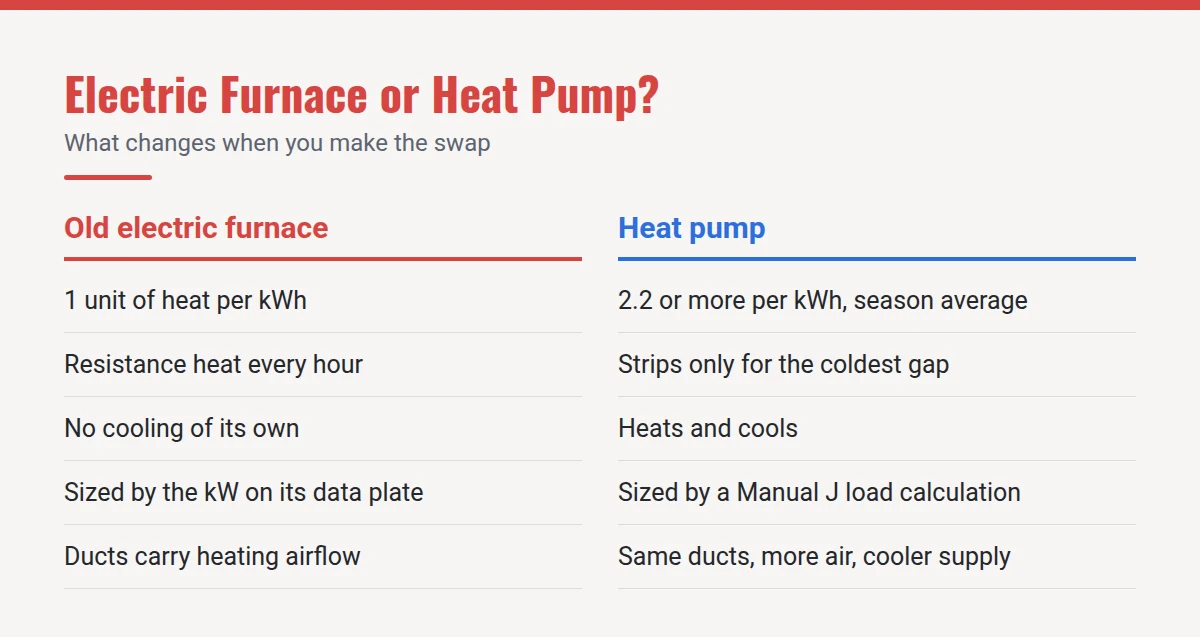
An electric furnace is a blower and a rack of resistance elements in a steel cabinet, and resistance heat has a fixed exchange rate. Every kilowatt-hour that goes in comes out as 3,412 Btu of heat, which is a coefficient of performance (COP) of exactly 1. A new electric furnace would do no better, because there is nothing left to improve.
A heat pump does not make heat. It moves heat in from outdoors, so it delivers several units of heat for every unit of electricity. Natural Resources Canada (NRCan) puts the COP of air-source heat pumps between 2.0 and 5.4 at 46°F, and between 1.1 and 3.7 at 18°F. Over a whole season the federal floor tells the same story. Every split-system heat pump made since January 1, 2023 must score at least 7.5 on HSPF2, the seasonal heating rating, which measures heat delivered against watt-hours of electricity used. On that scale resistance heat would score 3.412, the same exchange rate as above, so even the least efficient heat pump allowed today averages about 2.2 units of heat per unit of electricity across the federal test’s season, or about 55 percent less electricity for the same warmth.
Deep cold narrows that gap without closing it. To carry ENERGY STAR’s cold-climate label, a heat pump must still deliver a COP of at least 1.75 at 5°F, so even then it uses about 43 percent less electricity than resistance heat. At a COP of 2, it uses half. On the nights when the compressor cannot keep up on its own, the backup that tops it up is electric resistance strips, which is what the old furnace was doing all along. That was the forum’s core argument: in the worst cold you are comparing resistance heat with resistance heat, and the heat pump wins the rest of the year.
In dollars, EIA’s October 2026 outlook puts the average U.S. residential electricity price at 18.21 cents per kilowatt-hour for the year. At that price, 1,000 kWh of resistance heat costs about $182. A heat pump averaging a COP of 2.2 delivers the same heat for about $83, and one averaging 3 for about $61. A household spending $2,000 a winter on its electric furnace would spend roughly $900 with a minimum-efficiency heat pump, and less with a better one or a milder climate. Summarizing a county-by-county study of heating costs, Harvard researcher Roxana Shafiee found that for households heating with electric resistance, oil or propane, “installing a heat pump would reduce heating bills across all parts of the country.” The exception is gas-heated homes in the colder north, not electric furnace homes.
There is a second payoff. A heat pump is also a central air conditioner. The parents in that forum thread “don’t currently have A/C,” so their new heating system doubles as their first cooling. In a house where an aging central air conditioner already sits beside the electric furnace, one outdoor unit now does both jobs.
The Ducts Are Already There. Make Sure They Can Carry the Air.
A ducted heat pump uses the same supply and return ducts the furnace does. What changes is how hard it works them. Heat pumps deliver more air at a lower temperature, normally 77 to 113°F (25 to 45°C) by the Canadian agency’s figures, where furnaces deliver less air at 131 to 140°F. Air that feels merely warm at the register is normal. The question is whether your ducts can carry the extra volume.

Summer gives you the first clue. Air conditioners are typically designed to move 350 to 400 cubic feet per minute (CFM) across the indoor coil for each ton of capacity, according to a Department of Energy (DOE) Building America guide, and the Northwest heat pump program that Bonneville Power Administration researchers measured against accepts 325 to 500 CFM per ton in heating. If the furnace already pushes central air conditioning through those ducts every summer, they are already carrying roughly what a heat pump of the same size needs.
If the house has never had air conditioning, as with the forum family, the ducts have only ever carried the furnace’s heating airflow, and nobody yet knows how they will handle a heat pump’s. The agency’s advice for any retrofit applies: “the existing duct system should be carefully examined to ensure that it is adequate,” and some changes may be needed “to avoid added noise and fan energy use.” The check is a static pressure reading and an airflow measurement, taken before the quote rather than after the install. As one commenter told the family, the ductwork might need changes, and “nobody will know until you get estimates.”
So Is the Big Circuit
An electric furnace is one of the largest electrical loads a house can have, and here that works in your favor. The manual for one manufacturer’s line of electric furnaces, Nordyne’s E2 series, rates the 20 kW model at 87.1 amps at full output, fed either by a single circuit with up to 125 amps of protection or by two 60-amp circuits. A typical 3-ton heat pump’s outdoor unit runs on a 30 to 40 amp circuit, and the backup strips in a new air handler need their own, sized to however many kW you actually install.
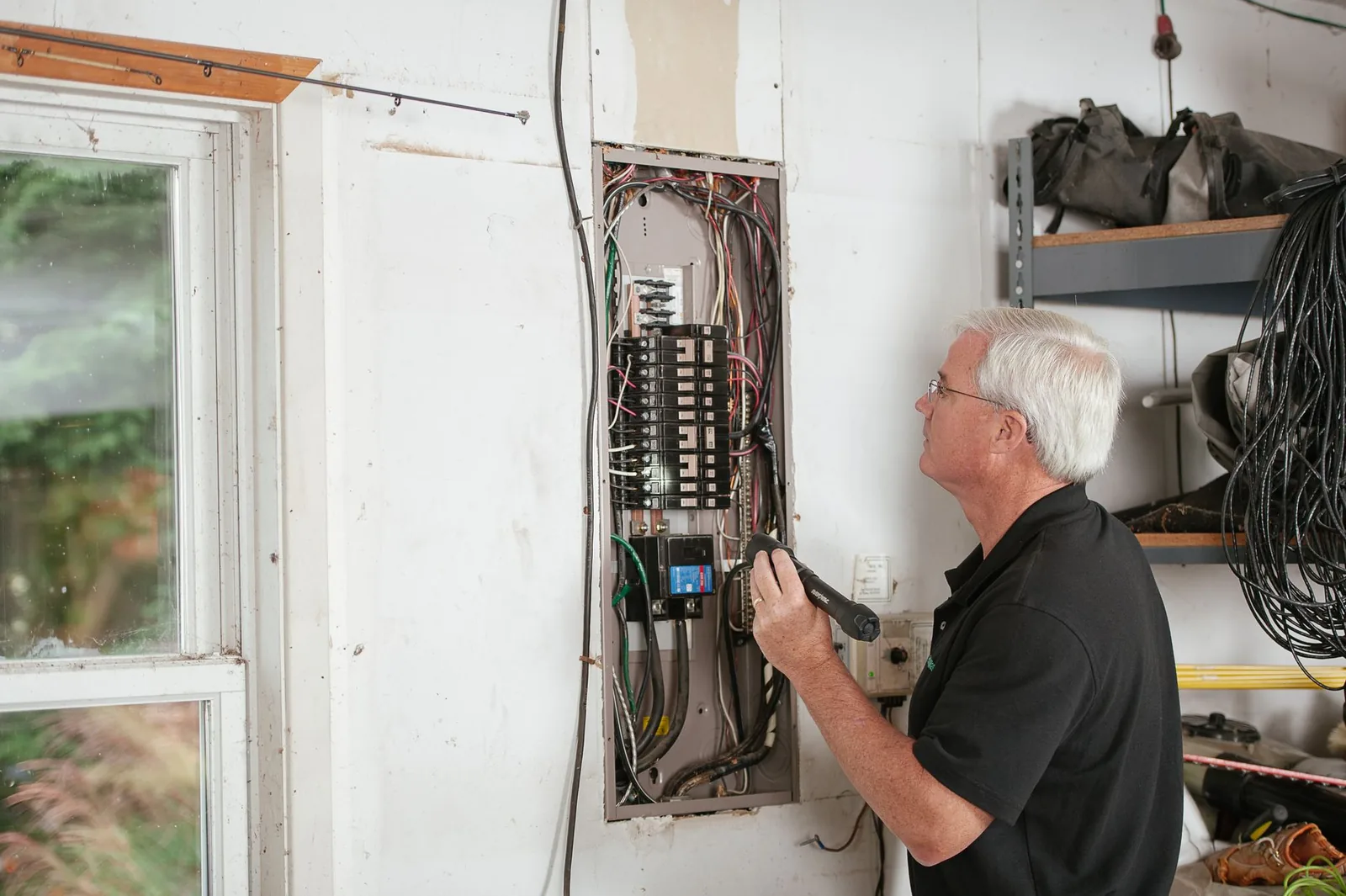
So in many electric furnace houses, the service has long carried a heating load as large as the new system’s, or larger. The new indoor unit can often reuse the furnace’s feed if the wire suits its rating, and a house without air conditioning needs one new 240-volt circuit for the outdoor unit. Keep the old furnace with its full bank of elements free to run alongside the compressor, though, and the peak goes up instead of down, one more reason to right-size the backup. Our guide to whether your electrical panel can handle a heat pump covers the load calculation, breaker space, and when a service upgrade is genuinely owed.
Keep the Old Cabinet, or Replace It With an Air Handler?
The cheapest version of this job leaves the furnace in place. A heat pump coil goes onto the furnace, the furnace’s blower pushes air across it, and the furnace’s elements become the backup heat. Many electric furnaces were built to be used this way. The same E2 manual says the furnace “is approved for use with an optional central air conditioner or a heat pump,” and in a typical downflow installation the coil mounts directly on top of the furnace, where the return air reaches it first.
All-electric pairings have an advantage a gas furnace lacks. Canada’s heat pump guidance notes that electric backup “can be run simultaneously with the heat pump,” which a gas furnace backing up a heat pump cannot, so the strips only supply the shortfall on a cold night while the compressor keeps working. The Canadian sizing guide describes that arrangement with “downstream electric resistance heating elements,” which the air reaches after crossing the heat pump’s coil. So ask where the new coil will sit relative to the old elements and how the thermostat will stage them, because the furnace and heat pump manuals decide whether both may run at once.
Keeping the furnace makes sense when it is young enough to be worth keeping, its manual or label lists heat pump use, and its blower can deliver the airflow the new heat pump needs. The E2’s standard two-speed blower moves 840 or 1,160 CFM, and its manual approves a heat pump of only 2 to 3 tons on that blower; anything larger needs a replacement blower. If you are counting on a rebate, also ask whether the exact furnace, coil and outdoor unit combination carries an AHRI certificate. Our guide to replacing only half of a system explains why the certified combination, not either box, owns the efficiency rating.
A new air handler, with its own coil, its own blower and a heat kit chosen for this house, is usually the better buy when the furnace is decades old (the forum family’s has been there for about 50 years), when its elements or sequencers have a repair history, when its strips are far larger than the backup the house now needs, or when you want a variable-speed heat pump, many of which are designed around a matched variable-speed indoor unit. One safety note applies either way: if the old furnace trips its breakers repeatedly, or you smell hot insulation when it runs, switch it off at the panel and have it checked now rather than waiting for the replacement.
Size It to the House, Not to the Old Furnace’s Kilowatts
The number on the furnace’s data plate is the worst starting point for sizing a heat pump. A 20 kW furnace puts out about 68,000 Btu per hour (the E2 manual rates its 20 kW model at 70,000), so matching it would mean a heat pump of nearly six tons, which at 350 to 400 CFM per ton needs nearly twice the air that furnace’s standard blower moves. Nothing ever pushed electric furnaces toward the right size: resistance heat runs at a COP of 1 at any size, so a generous rating cost nothing on the bill. A heat pump is less forgiving both ways. The Bonneville Power Administration’s researchers note that “undersized heat pumps must use more auxiliary heat,” while grossly oversized ones “cycle more than properly sized units during milder winter conditions, which can shorten the equipment’s life and also reduce overall efficiency.”
NRCan’s sizing guide treats existing equipment as “a last resort” for estimating a home’s heating needs, usable only when the house has had no comfort problems, no significant energy upgrades since the heating system went in, and some evidence the old equipment was sized sensibly. A 50-year-old house that has gained new windows or attic insulation fails the second test on its own. What you want instead is a Manual J load calculation, the industry-standard room-by-room estimate of how much heat the house loses on a design-cold day, run for the house as it is now.
For homes without low-cost natural gas, the same guide supports sizing the heat pump to carry all or nearly all of the heating at design conditions, often with a cold-climate model. Then it adds a warning that fits this swap exactly: that sizing “may not be feasible when retrofitting centrally ducted ASHPs to existing duct systems designed for traditional furnaces,” because the ducts cap how much air can move. In practice the ducts, not the old furnace, often decide how big the heat pump can be, and the strips cover the gap. Our guide to cold-climate heat pumps covers design temperatures, balance points, and how to size that backup.
Whatever the backup ends up being, it should be locked out above the outdoor temperature where the heat pump can carry the house alone, so get the lockout setting in writing. When those Bonneville researchers checked 95 Northwest homes with heat pumps installed between 2015 and 2018, only 43 percent had the auxiliary heat lockout set to the program’s specification. And make sure everyone in the house knows auxiliary heat from emergency heat on the new thermostat, which our guide to heat pump setbacks explains.
Rebates Now Favor Electric-to-Electric Swaps
The federal tax credit is gone: the IRS lists the energy efficient home improvement credit as covering improvements made through December 31, 2025. The federal rebate that remains has tilted toward this conversion, though. Under DOE guidance issued May 29, 2026, the High-Efficiency Electric Home Rebate no longer pays to replace gas or other fossil fuel appliances, but in the words of North Carolina’s state energy office, its rebates “are now permitted to replace existing electric appliances with more efficient electric equipment.” Replacing an electric furnace with a heat pump is exactly that kind of project, though each state sets its own program rules. The law caps the heat pump rebate at $8,000 and lets it cover the full project cost for households below 80 percent of area median income, or half for those between 80 and 150 percent. Only some states have launched the program, so ask your state energy office, and see our guide to free and low-cost HVAC help for how the income-qualified programs work.
Utilities are the other place to look, and some pay extra for exactly this setup. In 2026 the City of Sioux Falls electric utility pays $2,000 for a ducted heat pump with a backup electric furnace, twice its rebate for a ducted heat pump alone, on applications filed by December 31. Programs like that change from year to year, so read the current terms before you sign anything.
What to Ask Before You Sign

Get at least three written quotes, because installed prices vary widely by region, and put the same seven questions to every contractor:
- “What does the Manual J say this house needs?” Ask for the report, not just the tonnage.
- “Are you keeping my furnace or replacing it with an air handler, and why?” If it stays, ask where the coil goes, whether the furnace’s manual approves this heat pump, and whether its blower can deliver the airflow.
- “What are the static pressure and airflow now, and what duct changes does this need?”
- “How many kW of backup heat, and what lockout temperature?”
- “Which circuits will you reuse, and does anything need a new one?”
- “What is the AHRI reference number for this combination, and which rebates does it qualify for?”
- “Who handles the refrigerant, and is the permit included?” Anyone who connects the line set or charges the system must hold EPA Section 608 certification.
A contractor who quotes a heat pump “to match the furnace” without measuring anything has already answered the first question, and badly.
The Bottom Line
Electric resistance is the heating a heat pump beats most easily, because the heat pump’s backup plan is the electric furnace’s entire method. With the ducts and the big circuit usually in place, this is the easiest heat pump conversion there is. The two mistakes to avoid are sizing the new system to the old furnace’s kilowatts and keeping a worn-out cabinet to save money on day one. Get the load calculation, judge the cabinet on its condition rather than its convenience, and lock the strips out above the temperature where the heat pump can carry the house alone.
Further reading (sources)
- The Cool Down on a rural family weighing a new electric furnace against a heat pump
- U.S. Energy Information Administration with the main heating equipment in U.S. homes
- EIA’s Short-Term Energy Outlook for its October 2026 forecast of residential electricity prices
- Natural Resources Canada on heat pump efficiency, supply air temperatures and electric backup
- Natural Resources Canada’s sizing guide, covering load estimates from existing equipment, duct limits and backup staging
- 10 CFR 430.32, setting the minimum HSPF2 for split heat pumps made since 2023
- ENERGY STAR with the cold-climate criteria for air-source heat pumps
- Roxana Shafiee, writing in The Conversation, on which households save money with a heat pump
- U.S. Department of Energy, Building America program for design airflow per ton across the indoor coil
- Bonneville Power Administration with a field study of heat pump sizing, airflow and lockout settings
- Nordyne’s E2 furnace manual, hosted by Rheem, listing heat pump approval, blower airflow and circuit sizes
- IRS on the end date of the energy efficient home improvement credit
- North Carolina Department of Environmental Quality for its energy office’s note on the May 2026 change to the federal heat pump rebate
- Legal Information Institute with the rebate’s income tiers and $8,000 heat pump cap, 42 U.S.C. 18795a
- City of Sioux Falls and its 2026 heat pump rebate form
- U.S. EPA on who needs Section 608 certification to work on refrigerant circuits