Which HVAC System Is Right for Your Home? Central AC, Heat Pumps, Mini-Splits, and Geothermal Compared
Published on July 3, 2026

When your heating and cooling system finally quits, the first decision is not which brand to buy. It is which kind of system to buy at all. A gas furnace paired with central air, an air-source heat pump, a set of ductless mini-splits, a dual-fuel hybrid, and a geothermal system are five genuinely different answers to the same problem, and the best one depends far more on your house and your climate than on any spec sheet. Most homeowners only shop for the category they already have, which is how a strong candidate gets ruled out before it is ever considered. This guide is the map you read before the individual buying guides. It sets the five system types side by side, shows where each one wins, and ends with a simple path from your situation to a shortlist.
The Six Questions That Decide It
Before you compare equipment, answer six questions about your home. They narrow the field faster than any efficiency number.
- Your climate. How cold does it actually get, and for how many weeks? Heating load, not cooling, is what separates the contenders.
- What fuel you can get. Do you have a natural gas line at the street, or are you on propane, oil, or all-electric? Fuel access quietly decides whether a furnace even belongs in the conversation.
- Whether you have ductwork. Existing, healthy ducts open the door to central systems. No ducts, and adding them can cost more than the equipment itself.
- Your budget horizon. Are you optimizing the check you write on install day, or the bills you pay for the next fifteen years? Those two goals point at different systems.
- How long you plan to stay. A payback that arrives in year twelve only matters if you are still there to collect it.
- Your home’s size and layout. One open floor plan, a sprawling ranch, and a house with an always-hot bonus room each favor a different approach.
Hold your answers in mind. Every section below maps back to them.
Meet the Five Contenders
Here is the shortlist, in plain terms.
- Gas furnace plus central AC. The traditional split system: a furnace burns gas for heat, and a separate outdoor condenser handles cooling. Cheapest to install where gas is available, and hard to beat for fast, powerful heat in a real winter. It is two machines doing two jobs.
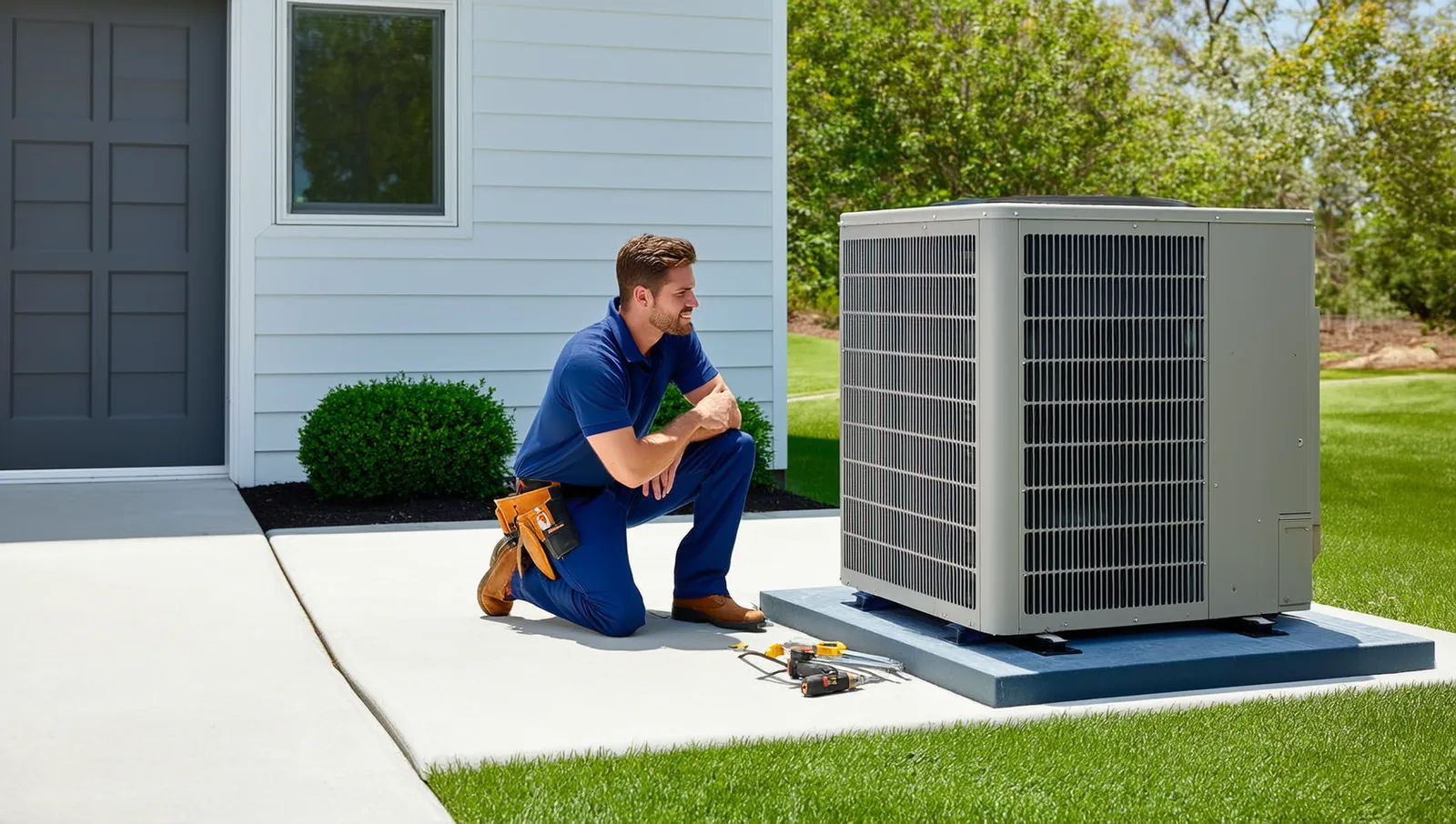
- Air-source heat pump. One system that both heats and cools by moving heat rather than burning fuel, running entirely on electricity. It replaces the furnace and the AC together, and it now carries the richest federal incentives of any option here.
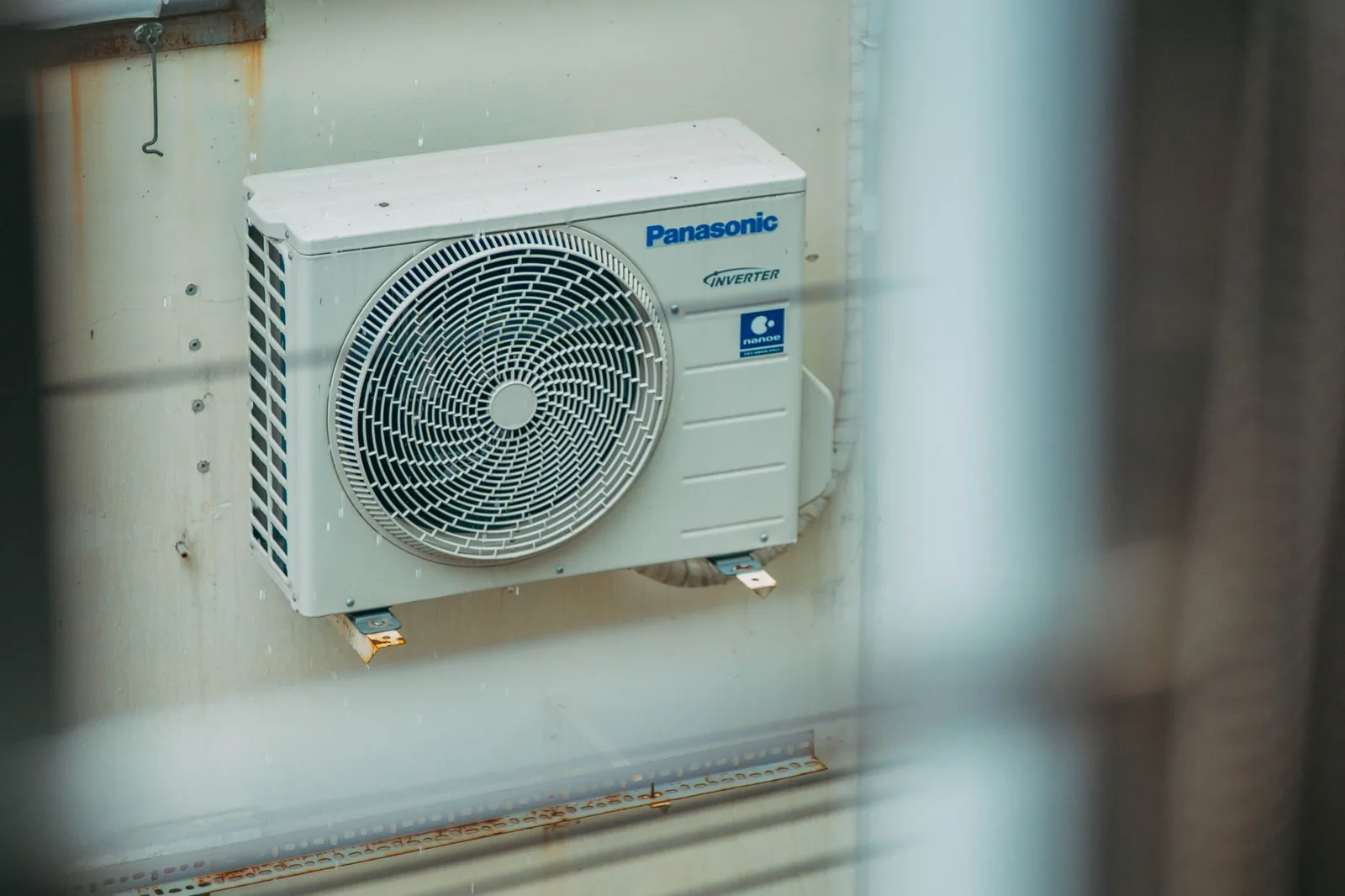
- Ductless mini-splits. Heat pumps with no ductwork at all. One outdoor unit feeds one or more wall or ceiling heads, each with its own thermostat. The default answer for homes with no ducts, for additions, and for rooms that never match the rest of the house.
- Dual-fuel (hybrid). A heat pump paired with a gas furnace. The heat pump handles most of the year efficiently, and the furnace takes over on the coldest nights. You buy two heat sources and let the system pick the cheaper one hour by hour.
- Geothermal (ground-source) heat pump. A heat pump that trades heat with the stable temperature of the earth through buried loops. The highest upfront cost by far, the lowest operating cost, and the longest life of anything on this list.
Climate Fit: The First Filter
Climate does more to decide the winner than any other single factor, and it comes down to your heating load. In hot and mixed climates, cooling dominates and nearly everything works, so the choice falls to cost and ducts. The colder your winters, the more the field narrows.
For decades the assumption was that heat pumps quit in the cold, so the North stayed loyal to gas furnaces. That assumption is out of date. Cold-climate heat pumps now hold their capacity well below freezing, which is one reason roughly 17 million U.S. homes heated or cooled with a heat pump as of the latest federal count, up from about 12 million in 2018. In a genuinely brutal climate, though, two options still stand out: a dual-fuel system, which leans on gas only when the temperature drops past the heat pump’s efficient range, and geothermal, which barely notices the air temperature because it draws from the ground. If you live where the furnace runs for months, put those two on the list. Where winters are mild, a straight air-source heat pump is usually the efficient, simple answer.
Ductwork: The Quiet Deciding Factor
Your existing ducts, or lack of them, can settle the question before cost enters the picture. If you have healthy ductwork, the central options stay in play: a furnace and AC, a ducted heat pump, or a dual-fuel system all use it. If your ducts leak or are undersized, budget for sealing or replacement no matter which system you pick, because bolting efficient equipment onto bad ducts wastes the efficiency you paid for.
If you have no ducts at all, an older home with radiators, say, or an addition the trunk lines never reached, mini-splits usually beat the cost and disruption of threading ductwork through finished walls. They also give you room-by-room control that a single central thermostat cannot. The tradeoff is visible indoor heads and a look some homeowners would rather avoid.

Upfront Cost vs Operating Cost
Every system trades upfront price against monthly running cost, and the two rankings are nearly mirror images. A gas furnace and AC is usually cheapest to install. Geothermal is the most expensive to put in and the cheapest to run. Heat pumps and mini-splits sit in between, with the heat pump’s higher sticker offset by the largest tax credits on the board.
Roughly, a furnace-and-AC or air-source heat pump replacement runs most homeowners in the range of $8,000 to $22,000 installed, mini-split arrays land near there depending on how many heads you need, and geothermal starts around $20,000 and climbs from there. Those are wide bands, and the line items around the equipment (ducts, electrical, permits) swing them by thousands, so our full price breakdown by system type is worth reading before you judge any quote. Do not stop at the sticker, either. The 30 percent federal clean energy credit on geothermal has no dollar cap, and heat pumps qualify for their own credits and rebates, all of which our guide to HVAC tax credits and rebates walks through. The cheapest system to install is often not the cheapest to own.
Efficiency and Lifespan
Each category is rated on its own scale, and it helps to know which label to read. Cooling efficiency is measured in SEER2, heat pump heating in HSPF2, and a gas furnace in AFUE. Higher is better in every case, and the newest variable-speed equipment posts the strongest numbers while running quieter and holding temperature within a degree or two.
Lifespan favors the systems with fewer moving parts left out in the weather. A gas furnace often lasts 15 to 20 years and a central AC 12 to 15, a heat pump runs a similar 12 to 15 because it works year round, quality mini-splits reach 15 to 20, and a geothermal unit’s indoor gear lasts 20 to 25 years while its buried ground loop can outlast the house at 50 or more. If you want to go deeper on any one type, our heat pump buying guide, central air conditioner buying guide, and geothermal guide each cover the ratings, sizing, and pitfalls in detail.
A Simple Path to Your Shortlist
Put it together and the decision usually resolves in a few steps.
- No ductwork? Start with mini-splits. Retrofitting ducts only makes sense if you are already opening walls.
- Have ducts, mild-to-moderate winters? An air-source heat pump is the efficient default, and it drops your reliance on fossil fuel.
- Have ducts, harsh winters, gas at the street? Compare a dual-fuel system against a cold-climate heat pump. Dual-fuel buys insurance for the coldest nights.
- Staying put for fifteen-plus years, own the land, want the lowest bills? Price geothermal and run the payback math with the uncapped credit.
- Tight upfront budget, gas available, short time horizon? A quality furnace and AC, correctly sized, is still a sound and affordable choice.
Whatever the shortlist, insist on a Manual J load calculation rather than a rule-of-thumb guess, and get at least three itemized quotes. Sizing and install quality matter more than the badge on the cabinet.
The Bottom Line
There is no single best HVAC system, only the best fit for your climate, your ducts, your fuel, and how long you plan to stay. Let those decide the category first, then shop equipment inside it. Across most of the country a heat pump has quietly become the default worth beating, with mini-splits owning the no-duct homes, dual-fuel and geothermal earning their keep in hard winters, and a gas furnace and AC still making sense on a tight budget where gas is cheap. Narrow to a category using the questions above, read the buying guide for your finalists, and you will walk into those three quotes knowing exactly what you are shopping for.
Further reading (sources)
- U.S. Department of Energy on how the main types of heat pump systems compare
- U.S. Energy Information Administration for how many homes now heat and cool with heat pumps
- Energy Saver with when a ductless mini-split makes the most sense
- ENERGY STAR explaining what the SEER2 and HSPF2 efficiency labels mean
- ACCA covering why a Manual J load calculation beats rule-of-thumb sizing